Crazy Chicken Machine Embroidery Design Review
As an embroidery designer who has spent years digitizing and testing files for small businesses, I approach every new machine embroidery design with a critical eye. It is not just about whether the image looks cute on a screen; it is about how that digital file translates into thread on fabric. Today, I am reviewing the Crazy Chicken Machine Embroidery Design, a playful entry in the Farm Animals category that promises versatility for kitchen decor, apparel, and gift items. For boutique owners, Etsy sellers, and custom apparel decorators, understanding the practical application of this design is crucial before adding it to your commercial library.
First Impressions: Personality and Brand Fit
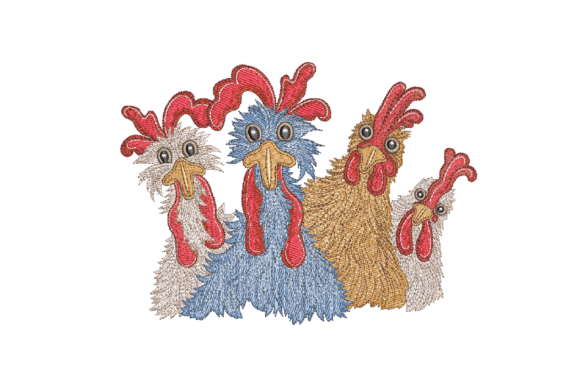
The immediate visual impact of the Crazy Chicken Machine Embroidery Design is one of whimsy and approachability. The title itself suggests a departure from the rigid, traditional rooster motifs often seen in rustic decor. Instead, this design leans into a "funny chicken" aesthetic, which is perfect for brands that want to project a friendly, handmade, and slightly irreverent personality. If you run a local bakery, a pet supply shop, or a creative studio that values humor, this design aligns well with your brand identity. It feels less like a corporate logo and more like a conversation starter.
However, "cute" does not always equal "professional." In my review, I look for clean lines and logical stitch paths. A design labeled as "Crazy" must still maintain structural integrity when stitched out. The charm here lies in its potential to soften a brand’s image. For a florist or a café, adding this character to a tote bag or apron can make the staff appear more approachable and the merchandise more desirable as a keepsake rather than just a uniform.
Real-World Applications for Small Business Merch
The product description highlights use in kitchen decor and apparel, but let us dig deeper into specific commercial applications. Where does this digital embroidery file truly shine in a business context?
- Embroidered Patches: This is arguably the strongest use case. A patch allows for controlled stitching on a stable backing before being applied to various garments. The Crazy Chicken motif would work beautifully as an iron-on or sew-on patch for denim jackets, canvas totes, or laptop bags. It transforms a generic item into a unique piece of small business merch.
- Staff Uniforms and Aprons: For cafes and bakeries, apron embroidery is a staple. Placing this design on the chest pocket or lower corner of a canvas apron adds a touch of personality without overwhelming the professional look. It signals to customers that your business is fun and attentive to detail.
- Cap Embroidery: Caps are high-margin items for retail. However, the curved surface of a cap front requires careful consideration. If the design is compact, it can serve as a central logo accent. If it is wide, it may need to be resized or adjusted to fit the standard hoop constraints of cap frames.
- Tote Bag Design: Canvas tote bags are a canvas for creativity. A larger version of this farm-themed design can serve as the main graphic element, appealing to customers looking for eco-friendly, stylish accessories.
Technical Considerations and Stitch Quality
While the artistic merit is clear, the technical execution determines whether this design becomes a bestseller or a return nightmare. When evaluating any embroidery file for commercial use, I always advise checking the stitch density and underlay. A "crazy" design should not mean messy stitching.
Stitch Density and Fabric Texture: If the design has high stitch density, it may pucker lightweight fabrics like thin cotton t-shirts. For these applications, using a proper stabilizer is non-negotiable. I recommend testing the design on the exact fabric you plan to sell. For textured fabrics like towels or heavy canvas, ensure the design has enough satin stitch coverage to prevent the background fabric from showing through unintentionally.
Size and Scalability: One common pitfall with detailed animal designs is loss of clarity at smaller sizes. If you intend to use this as a small chest logo on a polo shirt, verify that the fine details—such as the eyes or feather textures—do not merge into a blob of thread. Always create a printable mockup at the intended size to check legibility. If the design includes tiny lettering or intricate outlines, it may not scale down well for cap embroidery or small patches.
Thread Colors and Contrast: The visual appeal of the Crazy Chicken Machine Embroidery Design relies heavily on thread colors. On dark uniforms, such as navy or black chef coats, you must ensure the design uses bright, contrasting threads. A lack of contrast can make the design disappear from a distance, defeating the purpose of branding. Test a version in black and white first to see if the shape holds up without color reliance.
Enhancing Brand Identity and Customer Trust
Why invest in a specific design like this? Because consistent, high-quality design assets build trust. When a customer receives a finished product with clean, professional embroidery, they perceive higher value. The Crazy Chicken design, when executed well, contributes to a cohesive brand story. It tells the customer that your business is thoughtful, creative, and invested in quality.
For Etsy sellers and handmade brands, offering items with unique embroidery differentiates you from print-on-demand competitors. An embroidered patch or a custom-stitched tote bag feels tactile and premium. This tangible quality fosters customer loyalty and encourages social sharing, which is vital for organic growth. The playful nature of this farm animal theme can also broaden your audience, appealing to families, teachers, and animal lovers who might not connect with minimalist or corporate aesthetics.
Practical Designer Notes for Production
Before you list this design in your shop or order bulk uniforms, follow these practical steps to ensure success:
- Verify File Specifications: The product description mentions it is a lovely design for various projects, but it does not specify exact hoop size, stitch count, or file formats. Always confirm these details with the seller. Ensure you have the correct format for your machine (e.g., PES, DST, JEF) to avoid conversion errors that can distort the design.
- Check Commercial Licensing: Never assume a digital file is free for commercial use. Confirm that your purchase includes a license for commercial embroidery sales. This protects your business from legal issues and ensures you can legally sell items featuring the Crazy Chicken Machine Embroidery Design.
- Create Client Mockups: If you are doing custom work for a client, stitch out a sample on scrap fabric first. Take high-quality photos and create a printable mockup to show the client exactly how the design will look on their chosen garment. This manages expectations and reduces revisions.
- Test on Curved Surfaces: If using for caps, test the design on a curved hoop. Some designs that look flat and perfect on a square hoop may distort when stretched over a cap front. Adjustments to pull compensation may be necessary.
- Evaluate Wash Durability: For items like aprons and work shirts that undergo frequent washing, ensure the design is securely anchored. Check for thread breaks or loosening after several wash cycles. High-quality digitizing should withstand industrial laundering if properly stabilized.
Final Verdict for Business Owners
The Crazy Chicken Machine Embroidery Design is a strong contender for businesses looking to inject personality into their merchandise. It bridges the gap between rustic farm charm and modern playful branding. While it requires careful attention to technical details like stabilizer choice and size scaling, its versatility across patches, apparel, and home decor makes it a valuable addition to your design assets. By treating this file with the professional rigor it deserves—testing, mocking up, and licensing correctly—you can transform a simple digital file into a profitable, brand-building tool for your small business.