Hamburger Fast Food: A Designer’s Review for Craft Fairs
As an embroidery designer who has spent countless weekends standing behind booth tables, I have learned that not every machine embroidery design translates into a bestseller. Some designs are technically impressive but visually quiet, while others possess that immediate "grab factor" that stops a passerby in their tracks. Today, I am reviewing the Hamburger Fast Food design to determine if it belongs in your next production run for craft fairs and handmade markets.
This embroidery file falls squarely into the Kitchen category, but its appeal stretches far beyond culinary utility. It is described as cool, simple, and adorable, which suggests a versatile aesthetic that can bridge the gap between playful novelty and modern home decor. For Etsy sellers, boutique makers, and creative entrepreneurs, understanding how this specific motif performs on various substrates is key to maximizing return on investment.
First Impressions and Visual Appeal
The first thing I look for in a potential craft fair product is clarity. Does the design read well from three feet away? The Hamburger Fast Food motif, by nature of its subject matter, relies on recognizable shapes. A burger is universally understood, making it an excellent choice for impulse buys. The description highlights simplicity, which often correlates with lower stitch counts and faster production times—a crucial factor for small shop products where labor cost matters.
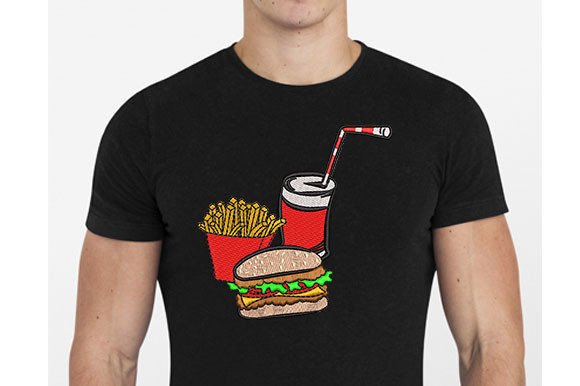
Visually, this design feels modern and slightly retro, tapping into the current trend of kitsch and diner-style aesthetics. It is not overly ornate or floral; instead, it offers a bold, graphic presence. This makes it ideal for customers looking for something fun rather than traditional. When evaluating the thread colors, I anticipate that vibrant reds, yellows, and greens will pop against neutral backgrounds, creating high contrast that draws the eye immediately.
Product Applications for Maximum Sales
To truly evaluate this design, we must imagine it on actual goods. Here is how I see Hamburger Fast Food performing across different categories:
- Apron Embroidery: This is perhaps the most logical fit. A bib apron with a centered burger motif creates an instant conversation piece. It appeals to home cooks who enjoy hosting barbecues or themed dinner parties. The design acts as a focal point without overwhelming the garment.
- Tote Bag Design: Canvas tote bags are staples at any market. Placing this design on a natural cotton tote creates a charming, casual look. It transforms a generic bag into a statement accessory for grocery runs or beach days.
- Tea Towel Embroidery: Kitchen towels are low-cost, high-volume items. Because the design is described as simple, it likely scales well for smaller placements on towel corners or centers. These make excellent add-on sales or bundle items.
- Embroidered Patch: If the design holds up at a smaller scale, turning it into an iron-on or sew-on patch expands your inventory significantly. Patches appeal to a younger demographic and can be applied to denim jackets, backpacks, and hats.
- Caps and Hats: Curved surfaces are tricky, but a compact burger design can work beautifully on the front panel of a trucker hat or baseball cap. It adds a touch of humor to everyday wear.
Production Practicality and Batch Efficiency
For those of us running a commercial embroidery operation, time is money. The description notes that this is a "simple" design. In practical terms, this usually means fewer color changes and manageable stitch density. Lower density reduces the risk of fabric puckering, especially on lighter materials like tea towels or t-shirts.
When preparing for a weekend market, I prioritize designs that are repeatable. Can I hoop five aprons and let the machine run with minimal intervention? If Hamburger Fast Food requires constant thread trimming or complex hooping adjustments, it loses its value as a mass-produced item. However, given its straightforward nature, it likely offers a smooth workflow, allowing you to focus on finishing touches rather than troubleshooting machine errors.
Photography is another critical component. Simple, bold designs photograph exceptionally well for online listings. They do not get lost in shadows or fabric folds. Creating a printable mockup or digital asset for your Etsy shop should be straightforward, as the shape is distinct and easily recognizable even in thumbnail views.
Careful-Use Notes and Technical Considerations
While the design appears user-friendly, there are technical nuances to consider before launching your full production run. Always check the specific details of the digital embroidery file provided by the creator, as I do not have access to the exact stitch count or recommended hoop size.
- Fabric Texture: Textured towels can sometimes obscure fine details. Ensure the design does not rely on tiny satin stitches that might sink into looped fabrics. If it does, consider using a topping stabilizer to keep the stitches on the surface.
- Dark Fabric: If you plan to sew this on black or navy items, verify that the design includes underlay stitches sufficient to prevent the background fabric from showing through. You may need to adjust thread colors for better visibility.
- Curved Surfaces: For caps, ensure the design width fits within the standard cap frame area. Distortion can occur if the design is too wide for the curved panel.
- Scale Clarity: Test the design at its smallest intended size. Detailed elements like sesame seeds or lettuce edges might merge if scaled down too far for a small patch.
Enhancing Brand Consistency and Buyer Engagement
Incorporating Hamburger Fast Food into your lineup can strengthen your brand if you position it correctly. It signals that your shop is fun, approachable, and attuned to current trends. For booth display strength, group these items together. A table featuring burger-themed aprons, matching towels, and patches creates a cohesive vignette that is more memorable than scattered individual items.
Customer attention is often driven by emotion. This design evokes feelings of comfort, nostalgia, and humor. When a buyer smiles at the sight of your finished product, they are more likely to engage. Use this to your advantage by pairing the embroidery with complementary props, such as vintage diner menus or checkered tablecloths, to enhance the overall aesthetic.
Final Designer Recommendations
Before you commit to a large batch, follow these essential steps to ensure quality control:
- Test on Scrap Fabric: Always stitch out a sample on the exact material you intend to sell. Check for registration issues and thread breaks.
- Check Stabilizer Compatibility: Use the right stabilizer for your fabric weight. Cut-away for stretchy knits, tear-away for woven cottons.
- Review Spacing: Ensure there is adequate space between design elements to prevent thread bunching.
- Confirm Licensing: Verify that your purchase of the design assets includes commercial licensing rights. This is non-negotiable for selling commercial embroidery products.
- Create Real Mockups: Photograph the actual stitched item, not just a digital render. Buyers want to see the texture and reality of the handmade product.
In conclusion, Hamburger Fast Food presents a strong opportunity for embroidery business owners looking to expand their Kitchen and lifestyle collections. Its simplicity, combined with universal appeal, makes it a versatile candidate for aprons, totes, and gifts. By paying attention to production details and presenting it within a cohesive brand narrative, you can turn this single design into a profitable staple of your craft fair inventory.