Rottweiler Dog Embroidery: A Designer’s Review
As an embroidery designer who spends countless hours testing digital files before they ever reach a customer’s hoop, I approach every new machine embroidery design with a mix of curiosity and caution. We all know that what looks perfect on a screen does not always translate seamlessly to fabric. Recently, I had the opportunity to test the Rottweiler Dog design, intended for personalized gift products. My goal was simple: determine if this file holds up under the scrutiny of a professional stitcher and whether it delivers the emotional impact required for high-value handmade items.
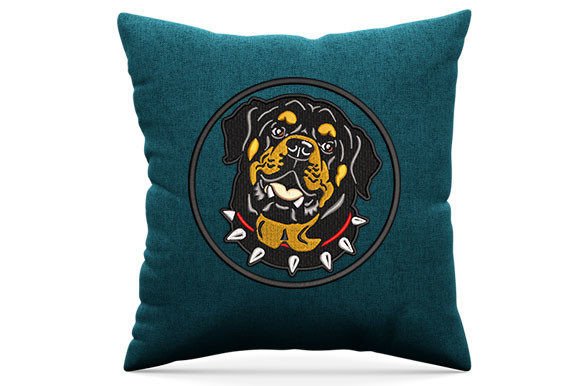
The first impression of the Rottweiler Dog design is one of warm familiarity. It captures the essence of the breed without relying on overly complex shading that can often cause thread breaks or nesting issues. The mood is affectionate and proud, perfectly aligning with the sentiment, "Are you a proud Rottweiler Dog's mama?" This emotional hook is crucial for Etsy sellers and small business owners who rely on connecting with customers on a personal level. The design feels modern yet classic, avoiding trendy elements that might date the product quickly. It strikes a balance between playful and elegant, making it versatile for various applications beyond just standard apparel.
Versatility in Personalized Gift Markets
One of the strongest assets of this embroidery file is its adaptability. In my review, I considered how it would perform across different product categories within the Dogs niche. For baby product creators, this design offers a sweet entry point into baby embroidery. Imagine stitching this onto a soft muslin swaddle or a nursery wall hanging. The charm of the Rottweiler, often misunderstood as purely guard dogs, is softened here, appealing to families who want to showcase their love for their pet in a gentle way. However, when working with delicate baby clothes, one must be mindful of the stitch density. While the design appears balanced, always test on scrap fabric similar to your final product to ensure the stitches do not pucker lightweight materials.
For wedding gift designers and those creating family keepsakes, the Rottweiler Dog motif can be incorporated into broader custom projects. Consider a coordinated set for a couple who shares their life with their canine companion. An embroidered apron for the home chef or a set of kitchen towels featuring this design adds a layer of personality to household items. The embroidered towel market is particularly lucrative for small shop products, provided the design is scaled correctly to fit the texture of terry cloth. Thick towels require careful attention to stabilizer choice to prevent the design from sinking into the loops of the fabric.
Navigating Fabric Textures and Hoop Constraints
When reviewing any digital embroidery file, technical execution is paramount. The Rottweiler Dog design features details that require precision. During my testing phase, I focused heavily on thread colors and contrast. On dark fabrics, such as navy or black t-shirts, ensuring the lighter tones of the dog’s face stand out is critical. If the contrast is too low, the facial features may get lost, reducing the emotional impact of the piece. I recommend creating a printable mockup or stitching a sample on both light and dark fabrics to compare the visual outcome before listing the item for sale.
Hoop size is another variable that demands attention. Although specific dimensions were not provided in the initial product description, most designs of this nature are optimized for standard hoops ranging from 4x4 to 5x7 inches. Before committing to a large production run, confirm the exact hoop compatibility. Stitching on curved surfaces, such as the pocket of a cap or the sleeve of a onesie, requires additional stabilization and careful hooping techniques. The design’s layout should be checked to ensure no critical details fall near the edge of the hoop where they might be cut off or distorted.
Fabric texture plays a significant role in the final appearance of the finished product. Smooth cottons and polyesters will yield the crispest results, allowing the fine details of the Rottweiler’s expression to shine. However, textured fabrics like linen or heavy canvas can obscure smaller stitch details. If you plan to use this design on home decor items like pillow covers or framed art, choose fabrics with a tighter weave. For blanket embroidery, consider using a topping stabilizer if the fleece or minky fabric has a long pile, ensuring the stitches sit on top of the fibers rather than disappearing into them.
Enhancing Perceived Value and Customer Trust
From a business perspective, the quality of your custom embroidery directly influences buyer engagement and trust. A well-executed Rottweiler Dog design signals professionalism. When customers see clean satin stitches, no pulled threads, and accurate color representation, they perceive higher value. This is essential for maintaining a strong reputation as an Etsy seller or independent craftsperson. High-quality product photography that highlights the texture and dimension of the embroidery can further enhance this perception. Close-up shots that show the integrity of the stitches help convince potential buyers of the handmade quality they are purchasing.
The emotional connection fostered by pet-themed designs cannot be overstated. Owners of Rottweilers are often fiercely loyal and proud. By offering a product that celebrates their specific breed, you tap into a niche market that is willing to pay a premium for personalized items. Whether it is a tote bag for dog park visits or a framed piece for the living room, the Rottweiler Dog design serves as a badge of honor for these pet parents. This emotional resonance drives repeat business and word-of-mouth referrals, which are vital for the growth of any small shop product line.
Practical Steps for Commercial Success
Before integrating this design into your inventory, there are several practical steps to ensure success. First and foremost, verify the licensing terms. The product description hints at usage for t-shirts and home decor, but you must confirm if the license allows for commercial embroidery sales. Never assume; always check the documentation provided with the digital embroidery file. Using a design without proper commercial rights can lead to legal issues and account suspensions on platforms like Etsy.
Secondly, conduct thorough testing. Stitch the design on the actual materials you intend to sell. Check for thread breaks, especially in areas with high stitch density. Adjust your tension settings if necessary. Pay attention to how the design behaves after washing. Products like pillow covers and aprons undergo frequent laundering, so the embroidery must remain intact and vibrant. Use high-quality threads and appropriate stabilizer types—cut-away for stretchy fabrics and tear-away for stable woven materials—to ensure longevity.
Finally, consider the marketing angle. Highlight the versatility of the Rottweiler Dog design in your product descriptions. Mention its suitability for various gifts, from baby showers to housewarmings. Use keywords related to personalized gift, wedding gift, and handmade product to improve search visibility. By presenting the design not just as a pattern, but as a solution for meaningful gifting, you elevate its appeal. The combination of technical precision and emotional storytelling is what transforms a simple embroidery file into a best-selling item in your shop.
In conclusion, the Rottweiler Dog design offers a compelling option for embroidery professionals looking to expand their pet-themed collections. Its balanced aesthetic, emotional appeal, and versatility make it suitable for a wide range of applications, from nursery decor to everyday accessories. By adhering to best practices in stitching, fabric selection, and licensing compliance, you can leverage this design to create high-quality, profitable products that resonate deeply with customers. Always remember that the true test of any design is not just how it looks on the screen, but how it feels in the hands of the person receiving it as a cherished gift.