Deer Embroidery Design: A Pro Review
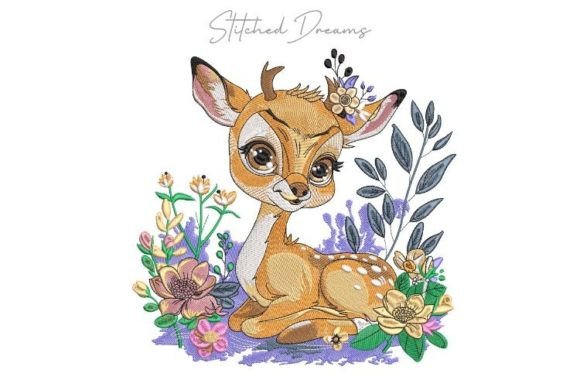
As an embroidery designer who has spent years digitizing motifs for small businesses, I approach every new machine embroidery design with a critical eye. It is not just about aesthetics; it is about functionality, durability, and brand alignment. When I first loaded the Deer Embroidery Design into my software, my immediate impression was one of serene elegance. This is not a cartoonish or overly simplified graphic. It captures the detailed essence of wildlife, fitting perfectly within the Woodland Animals category while maintaining a sophisticated edge suitable for professional branding.
For small business owners, Etsy sellers, and apparel decorators, the choice of imagery defines your brand identity. This particular deer motif strikes a balance between rustic charm and premium quality. It feels handmade yet polished, making it an excellent candidate for businesses that want to convey authenticity and a connection to nature. Whether you run a boutique coffee shop, a floral studio, or an outdoor gear rental service, this design offers a visual language that speaks to calmness and natural beauty.
Real-World Applications for Small Business Merch
The true test of any digital embroidery file is its versatility across different products. I evaluated how this deer motif performs on various common merchandise items used by creative studios and local brands. Here is where this design shines in a commercial setting:
- Embroidered Patches: The detailed lines of the deer create a striking focal point for iron-on or sew-on patches. These can be sold as standalone accessories or used to upgrade plain denim jackets and canvas bags, adding significant perceived value to the finished product.
- Staff Uniforms and Aprons: For bakeries, florists, or craft breweries, an apron embroidery featuring this deer adds a touch of artisanal professionalism. Placed on the chest pocket or the upper back, it serves as a subtle but memorable brand marker.
- Cap Embroidery: Wildlife themes are trending in headwear. This design works well on the front panel of structured caps, provided the digitizing accounts for the curve. It appeals to customers looking for custom apparel that reflects an outdoor lifestyle.
- Tote Bag Design: Canvas tote bags are a staple for eco-conscious brands. The deer motif, when scaled correctly, becomes a beautiful tote bag design that customers are proud to carry, effectively turning them into walking advertisements for your shop.
Using this design for customer gifts or event merch can also enhance buyer engagement. A small embroidered deer on a thank-you card envelope or a product packaging accent creates a tactile experience that digital printing simply cannot match. It reinforces the idea that your brand cares about details and quality.
Technical Considerations and Production Notes
While the aesthetic appeal of the Deer Embroidery Design is high, successful production requires attention to technical details. As a designer, I always advise checking specific file specifications before committing to a large run. Since the product description mentions a "detailed deer motif," we must consider how those details translate to fabric.
Stitch Density and Fabric Texture
Detailed designs often require careful management of stitch density. If the density is too high on a lightweight fabric, you risk puckering or stiffness. Conversely, if it is too low on a textured fabric like terry cloth or heavy canvas, the underlying material might show through, breaking up the clean lines of the deer’s antlers or face. Always test the design on the actual fabric you intend to use. For dark uniforms, ensure you have a proper underlay and consider using lighter thread colors for contrast, or stick to monochrome threads for a sleek, modern look.
Hoop Size and Stabilizer Selection
Before starting your machine, confirm the required hoop size. Detailed wildlife designs often need a larger hoop to prevent distortion during stitching. Equally important is the choice of stabilizer. For stretchy fabrics like jersey tees, a cut-away stabilizer is essential to maintain the integrity of the design after washing. For woven fabrics like twill caps or tote bags, a tear-away might suffice, but testing is key. A poorly stabilized design can shift, causing misalignment that looks unprofessional and hurts brand trust.
Scaling for Small Surfaces
One area where caution is needed is scaling. While the design is exquisite at medium to large sizes, shrinking it too much for tiny labels or small hat fronts may cause the finer details to merge. If you plan to use this as a small chest logo accent, request a test stitch-out at that specific size. You may need to simplify certain elements or increase spacing to ensure clarity. Never assume a design scales perfectly without physical verification.
Enhancing Brand Identity and Customer Trust
In the world of small business merch, consistency is king. The Deer Embroidery Design can become a core part of your visual identity if used consistently. Imagine a local café where the barista’s apron, the menu cover, and the retail coffee bags all feature the same embroidered deer. This repetition builds recognition. Customers begin to associate that specific image with the quality and atmosphere of your business.
Furthermore, embroidered items convey a sense of permanence and quality. Unlike printed graphics that may crack or fade, embroidery lasts. This durability reflects positively on your brand, suggesting that you invest in long-lasting quality. For handmade product sellers on platforms like Etsy, offering embroidered options can justify a higher price point. Buyers perceive embroidered goods as luxury items compared to their printed counterparts.
To maximize this effect, create a printable mockup or a digital preview showing the design on various products. Share these images on social media to gauge customer interest before producing bulk inventory. This strategy minimizes waste and ensures you are meeting market demand. Additionally, ensure that your design assets are organized. Keep your embroidery files backed up and labeled clearly so you can quickly fulfill repeat orders for corporate clients or wholesale partners.
Final Verdict for Commercial Use
The Deer Embroidery Design is a strong contender for businesses aiming to project a natural, serene, and high-quality image. Its versatility allows it to function as a primary logo element or a decorative accent on commercial embroidery projects. However, success depends on proper execution.
Before launching this design on your storefront, take these practical steps:
- Test in Black and White: Remove color to see if the shape holds up. A good design should be recognizable even without thread color variation.
- Check Commercial Licensing: Always confirm the license terms included with the embroidery file. Ensure you have the right to use it for physical goods you intend to sell.
- Review Thread Contrast: Choose thread colors that complement your brand palette while ensuring the design remains visible against the fabric background.
- Create Client Mockups: If you are doing custom work, show the client a realistic preview on their specific garment to manage expectations regarding size and placement.
By treating this design as a strategic business asset rather than just a decorative image, you can leverage its aesthetic power to drive sales and strengthen your brand presence. Whether for a pet brand, a woodland-themed boutique, or a cozy bakery, this deer motif offers the professional polish needed to stand out in a crowded market.