Fall Pumpkin Machine Embroidery Review
As an embroidery designer who has spent years digitizing for small businesses and boutique brands, I approach every new machine embroidery design with a critical eye. It is not just about whether a motif looks cute on a screen; it is about how it translates to fabric, how it holds up in the wash, and ultimately, how it serves the brand identity of the client using it. Recently, I evaluated the Fall Pumpkin Machine Embroidery file to determine its viability for commercial use. This review focuses on its application for small business merchandise, branded patches, and custom apparel rather than simple home decor.
First Impressions: Visual Personality and Brand Fit
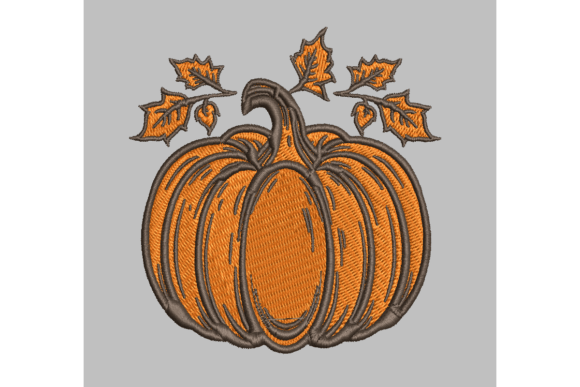
The first thing that strikes you about this embroidery file is its balance between rustic charm and professional detail. The description highlights an intricate design featuring a beautifully detailed pumpkin surrounded by autumn leaves. From a branding perspective, this aesthetic is versatile. It does not scream "cheap novelty." Instead, it feels warm, inviting, and handmade, which is exactly what modern consumers look for when supporting local businesses.
For a bakery, a florist, or a cozy café, this design communicates seasonality without being overly aggressive. It feels premium enough for a high-end boutique yet playful enough for a family-oriented pet brand. The key here is the "intricate" nature mentioned in the product details. Intricacy can be a double-edged sword in commercial embroidery, so my immediate focus was on how those details would render on actual textiles.
Real-World Applications for Small Business Merch
When I test a design like Fall Pumpkin Machine Embroidery, I imagine it in specific business scenarios. Here is how this design performs across various product lines:
- Embroidered Patches: This is perhaps the strongest use case. A detailed pumpkin and leaf motif works exceptionally well as a standalone patch. Businesses can sew these onto denim jackets, canvas tote bags, or even use them as limited-edition add-ons for customer orders. The organic shapes of the leaves allow for creative edge finishing, whether satin-stitched or left with a raw, rustic hem.
- Apron Embroidery: For bakeries and craft studios, staff uniforms are walking billboards. Placing this design on the chest pocket or the upper corner of an apron adds a touch of seasonal flair. It elevates the standard uniform from functional to branded, enhancing the customer experience.
- Cap Embroidery: Autumn is peak season for headwear. However, caps present a curved, structured surface. This design needs to be scaled correctly to avoid distortion. If the pumpkin is too wide, it will wrap around the sides of the cap uncomfortably. Used as a side-panel accent or a smaller front-center logo, it can drive significant sales for local shops.
- Tote Bag Design: Canvas totes are staples for bookstores and markets. The contrast of vibrant thread colors against natural canvas creates a striking visual. This design serves as an excellent central focal point for a reusable bag, encouraging customers to use it repeatedly, which increases brand visibility.
Technical Considerations and Stitch Density
While the visual appeal is strong, the technical execution requires careful attention. The term "intricate" in the product description suggests a higher stitch density. In digital embroidery file production, density determines how the thread lays on the fabric. If the density is too high for lightweight fabrics, you risk puckering or needle breaks. If it is too low, the fabric may show through, ruining the finished look.
I strongly advise testing this design on the specific fabric you intend to use. For example, if you are applying this to a textured fleece hoodie, the small details of the autumn leaves might get lost. Conversely, on a smooth twill or broadcloth, the details will pop. Always check the hoop size requirements before purchasing. You need to ensure your machine can accommodate the dimensions of the design, especially if you plan to hoop multiple items at once for batch production.
Another critical factor is the stabilizer. For a design with this level of detail, a cut-away stabilizer is often recommended for garments that will be washed frequently, such as t-shirts or aprons. For patches or items that will not undergo heavy laundering, a tear-away might suffice, but always run a test stitch-out first.
Strategic Placement and Brand Identity
How you use Fall Pumpkin Machine Embroidery affects your brand identity. Consistency is key. If your brand is minimalist, this detailed design might clash unless used sparingly as a subtle accent. If your brand is maximalist and colorful, this design fits perfectly into a larger collage of design assets.
Consider the psychological impact. Autumn evokes feelings of warmth, harvest, and comfort. By incorporating this design into your small business merch, you are tapping into those emotions. This can increase buyer engagement and perceived value. A simple tote bag becomes a seasonal keepsake; a plain cap becomes a collectible item. This emotional connection is what drives repeat customers and builds loyalty.
Where to Use Caution
Not every application is suitable. Be cautious with:
- Small Patch Sizes: If you shrink this design too much, the intricate leaves will merge into a blob of thread. Ensure there is enough spacing between elements.
- Dark Uniforms: Check your thread colors. If the design relies on subtle shading, it may not stand out on black or navy fabrics. You may need to adjust the color palette or add an underlay stitch to make the colors pop.
- High-Wear Areas: Avoid placing detailed embroidery on areas that experience high friction, such as the cuffs of sleeves or the bottom hem of aprons, unless reinforced properly.
Practical Designer Notes for Production
Before you commit to a large production run, follow these steps to ensure quality:
- Test in Black and White: Convert your mockup to grayscale. If the design loses its definition without color, the contrast is insufficient. This helps you identify spacing issues early.
- Create a Printable Mockup: Use a printable mockup to show clients or stakeholders how the design will look on different products. This manages expectations and reduces revision requests.
- Verify Commercial Licensing: Never assume a digital embroidery file comes with commercial rights. Check the license terms explicitly. You need to know if you can sell the finished product or if there are restrictions on quantity.
- Inspect Thread Contrast: Choose thread colors that complement your brand palette. Do not just pick standard orange and green. Consider burnt sienna, mustard yellow, or deep burgundy for a more sophisticated, modern look.
- Confirm Hoop Size: Ensure the design fits within your available hoop sizes. If it requires a large hoop, factor that into your pricing and production time.
Final Verdict
The Fall Pumpkin Machine Embroidery is a solid addition to any autumn-themed collection for small businesses. It offers the right blend of detail and charm to enhance custom apparel, patches, and accessories. However, its success depends entirely on proper technical execution. By respecting the limitations of fabric texture, managing stitch density, and choosing strategic placements, you can transform this design into a powerful tool for brand recognition.
For Etsy sellers, boutique owners, and merch creators, this design provides a ready-made asset that saves time on digitizing while offering a professional finish. Just remember to test, stabilize, and license correctly. When done right, this finished product will not only look great but also contribute meaningfully to your seasonal revenue streams.