Panther Head Embroidery Design Review
As an embroidery designer who spends countless hours digitizing and testing patterns, I approach every new machine embroidery design with a critical eye. It is not just about whether the file runs smoothly on the machine; it is about whether the final piece will stop a customer in their tracks at a busy weekend market. Recently, I evaluated the Panther Head Embroidery Design to determine its viability for my upcoming craft fair lineup. This review focuses on real-world application, assessing how this wild animal motif translates from a digital file into a high-value handmade product.
First Impressions: Whimsy Meets Wild
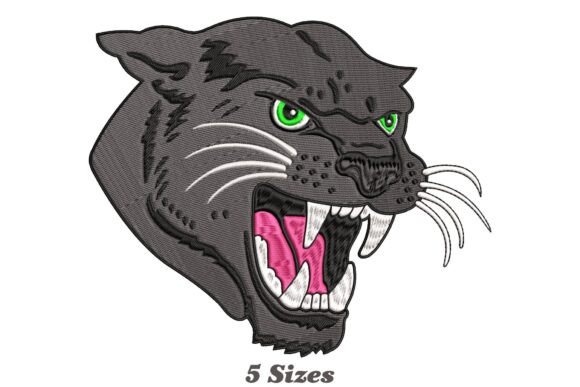
The product description promises a touch of "whimsy charm," which is an intriguing angle for a panther. Typically, big cat imagery leans toward fierce, realistic, or aggressive aesthetics. However, this design appears to bridge the gap between the rugged appeal of Wild Animals and the soft, approachable vibe required for home decor and apparel. Upon initial inspection, the design feels modern yet decorative. It does not scream aggression; instead, it offers a stylized, artistic interpretation that fits well within current trends favoring bold but friendly graphics.
For a craft fair seller, this duality is crucial. A design that is too scary limits your audience to a niche demographic. A design that is too cute may feel juvenile. The Panther Head Embroidery Design seems to strike a balance, making it suitable for a wide range of customers, from teenagers looking for cool gear to adults seeking unique home accents. This versatility is the first indicator that it could be a strong performer in a small shop product lineup.
Product Application and Market Fit
When preparing a booth display, variety is key, but cohesion is king. I tested the mental image of this design across several standard craft fair items to see where it would shine brightest.
- Tote Bags and Market Bags: This is likely the strongest application. A large, centered panther head on a canvas tote creates an immediate visual impact. As a tote bag design, it serves as a statement piece. Customers love bags that express personality, and a whimsical panther suggests a love for nature and art without being overly literal.
- Aprons and Kitchen Textiles: For apron embroidery, placement is everything. A smaller version of the design on the chest pocket or a larger one across the bib can transform a utility item into a gift-worthy piece. Similarly, tea towel embroidery benefits from designs that are not too dense, ensuring the towel remains absorbent and soft. If the stitch count is moderate, this could be a bestseller for housewarming gifts.
- Embroidered Patches: Patches are low-commitment purchases that drive impulse buys. An embroidered patch featuring this panther head could be sold individually or used to embellish denim jackets and backpacks. The key here is clarity; the design must remain recognizable even when scaled down to two or three inches.
- Pillow Covers and Home Decor: On neutral linen or cotton pillow covers, the dark tones of a panther provide excellent contrast. This adds a touch of sophistication to living spaces, appealing to buyers looking for handmade product quality that elevates their interior design.
Production Practicality and Stitch Quality
From a production standpoint, efficiency determines profit. When evaluating any digital embroidery file, I look for signs of poor digitizing that could slow down batch production. While I do not have the exact stitch count or file format details for this specific listing, there are universal factors to consider before committing to a large run.
Stitch density is a primary concern. If the panther’s fur is rendered with excessively dense satin stitches, it may cause puckering, especially on lighter fabrics like t-shirts or tea towels. Conversely, if the design relies too heavily on fill stitches without proper underlay, it might look flat and lack dimension. Experienced Etsy sellers know that a design must look premium in person, not just in a printable mockup.
Another critical factor is the handling of thread colors. A panther design typically requires shades of black, gray, and perhaps white for highlights. Ensuring smooth transitions between these shades is vital for maintaining the "whimsy" and avoiding a muddy appearance. I recommend running a test stitch-out on scrap fabric identical to your final product material. Check for thread breaks, nesting, and overall clarity. If the design includes tiny details, verify that they do not get lost or become fragile during washing.
Navigating Fabric and Hoop Constraints
Not all fabrics behave the same way. When applying this design to textured items like waffle-weave towels or thick denim, the outcome can vary significantly. On thick fabric, you may need a stronger cut-away stabilizer to support the weight of the stitches. On curved surfaces like caps, the design must be adjusted to account for distortion. If the panther head is too wide, it may wrap awkwardly around the curve of a hat, distorting the facial features.
Additionally, consider the hoop size limitations. If you are using a standard 4x4 or 5x7 hoop, ensure the design fits comfortably within the boundaries without requiring excessive re-hooping for multi-position designs, which increases production time and risk of misalignment. For larger items like pillow covers, a 6x10 or 8x8 hoop might be necessary to capture the full detail of the panther’s expression.
Visual Appeal and Brand Consistency
In a crowded craft fair aisle, visual appeal drives foot traffic. The Panther Head Embroidery Design offers a bold silhouette that is easy to understand at a glance. This instant recognizability is a major asset. When customers walk by, they should be able to identify the subject matter within seconds. This clarity also translates well to online listings. High-quality photos of the finished product, showing the texture of the threads and the sheen of the fabric, can significantly boost engagement for commercial embroidery businesses selling on platforms like Etsy.
Furthermore, incorporating this design into your brand’s aesthetic requires consistency. If your shop specializes in rustic or farmhouse styles, this wild animal motif might need to be paired with earthy thread colors and natural fabrics. If your brand is more modern and minimal, stark black and white contrasts on clean lines will emphasize the graphic nature of the design. Creating a cohesive look across your design assets helps build brand recognition and customer loyalty.
Final Verdict and Designer Notes
Before adding the Panther Head Embroidery Design to your inventory, take these practical steps:
- Verify Licensing: Confirm that the purchase includes commercial rights allowing you to sell the finished product. Never assume; always check the license terms provided by the designer.
- Test on Multiple Fabrics: Stitch the design on cotton, polyester, and textured towels to see how the fabric texture affects the final look.
- Check Contrast: Ensure the thread colors stand out against your chosen fabric. Dark designs on dark fabrics often require a backing or lighter outline to be visible.
- Create Real Mockups: While digital mockups are useful, nothing sells like a photo of the actual stitched item. Display it on a mannequin or a styled shelf to show scale and context.
In conclusion, the Panther Head Embroidery Design holds strong potential for craft fair success. Its blend of whimsical charm and bold imagery makes it adaptable for various products, from tote bags to home decor. By paying attention to stitch density, fabric choice, and presentation, you can turn this digital file into a standout item in your handmade collection. For creative entrepreneurs looking to expand their Wild Animals category with something unique, this design is worth a closer look.