Rabbit Embroidery Designs: A Holiday Review
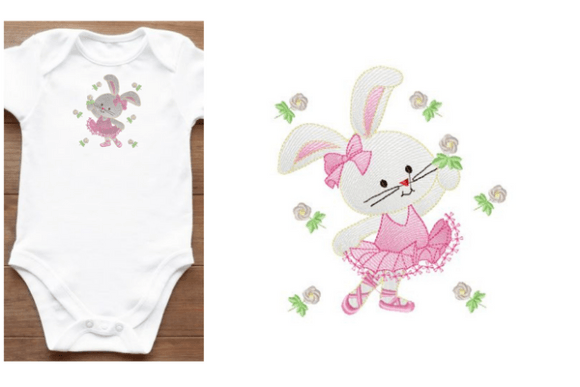
As an embroidery designer who spends countless hours digitizing and testing patterns for seasonal collections, I approach every new machine embroidery design with a critical eye. It is not just about whether the stitches look clean; it is about whether the design will sell. When I first loaded the Rabbit Embroidery Designs into my software, I was immediately struck by its versatility. This is not merely a cute image; it is a strategic asset for anyone building a holiday product line. In the world of Baby Animals and Embroidery, finding a design that balances whimsy with professional polish is rare, but this pattern delivers exactly that.
The First Impression: Mood and Market Fit
The initial visual impact of these rabbit motifs is undeniably warm and inviting. The style leans heavily into a cozy, nostalgic aesthetic that resonates deeply during the colder months. For holiday shoppers, emotion drives purchases. They are not just buying a stitched image; they are buying a feeling of comfort and home. The line work is smooth, avoiding the jagged edges that often plague lower-quality digital embroidery file purchases. This level of detail suggests a premium finish, which is crucial when you are trying to justify higher price points on platforms like Etsy or in boutique craft fairs.
What stands out most is the adaptability of the theme. While rabbits are often associated with spring and Easter, this specific interpretation works beautifully for winter holidays. Think of soft, white rabbits against deep reds and greens for Christmas, or pastel tones for baby showers and spring celebrations. This duality makes the design a year-round contender, but its "cozy" factor gives it a significant edge during the fourth-quarter holiday rush.
Strategic Applications for Seasonal Sales
When planning a seasonal shop collection, variety is key. You need products that appeal to different customer segments. Here is how I envision using Rabbit Embroidery Designs across various product categories to maximize revenue:
- Apparel and Sweatshirts: A left-chest placement on a high-quality crewneck sweatshirt creates a subtle, elegant look. This appeals to customers looking for understated sweatshirt embroidery that feels personal rather than loud. For children’s clothing, a larger center placement adds a playful touch perfect for family photos.
- Home Decor and Linens: Kitchen towels are perennial bestsellers. Using this design for kitchen towel embroidery allows for quick production times and high perceived value. Pairing the rabbit motif with simple monograms can transform a standard towel into a personalized gift that feels bespoke.
- Tote Bags and Accessories: Canvas tote bags provide a stable surface for embroidery. A tote bag design featuring these rabbits can be marketed as an eco-friendly gift option. The sturdy fabric holds the stitches well, ensuring the design remains intact through daily use.
- Pillows and Cushions: A pillow cover with a central rabbit motif adds a touch of whimsy to living rooms and nurseries. This is particularly effective for baby showers or as a comforting gift for new parents.
For Etsy seller accounts, creating bundles is a powerful strategy. Imagine offering a "Nursery Bundle" that includes a pillow cover, a blanket, and a wall hanging, all featuring coordinated elements from the Rabbit Embroidery Designs set. This increases the average order value and simplifies the shopping experience for busy customers.
Technical Considerations for Professional Results
While the design is visually appealing, successful execution depends on technical precision. As a designer, I must advise fellow crafters to pay close attention to the specifics of the embroidery file before stitching. Since the exact stitch count and hoop size are not specified in the basic description, you must check these details in your software. Understanding the stitch density is vital. If the density is too high for lightweight fabrics, you risk puckering. Conversely, if it is too low for thick materials, the design may look sparse.
Here are my practical notes for testing this design:
- Fabric Selection: Test the design on both light and dark fabrics. Rabbit designs often rely on subtle shading. On dark fabrics, ensure you have enough underlay stitches to prevent the background color from showing through the lighter thread colors.
- Stabilizer Choice: Always use the appropriate stabilizer. For stretchy garments like sweatshirts, a cut-away stabilizer is non-negotiable to maintain shape. For woven home decor items like pillow covers, a tear-away may suffice, but test first.
- Hoop Size Compatibility: Confirm that the design fits within your machine’s hoop size. If you are working with smaller hoops, you may need to resize the design, but be cautious. Resizing can alter stitch density and cause thread breaks or poor coverage.
- Thread Colors: Plan your color palettes in advance. For holiday themes, traditional reds, greens, and golds work well. For a modern look, consider muted earth tones or pastels. Create realistic mockups to show customers how the thread colors interact with different fabric texture types.
Navigating Challenges in Production
There are scenarios where this design requires careful handling. For instance, avoid placing intricate details on curved surfaces like baseball caps unless the design is specifically digitized for that purpose. The curvature can distort the image. Similarly, be cautious with tiny lettering if the design includes text. Small fonts can become illegible if the stitch resolution is not high enough.
Another consideration is washability. Items like kitchen towels and baby clothes undergo frequent washing. Ensure that your thread choice is high-quality polyester or rayon that can withstand repeated cycles without fading. If you are creating an embroidered patch for application on jackets, ensure the edges are properly saturated with stitch coverage to prevent fraying over time.
Boosting Brand Value and Customer Trust
Using high-quality designs like Rabbit Embroidery Designs contributes significantly to brand consistency. When customers receive a finished product that looks professional, they are more likely to leave positive reviews and return for future purchases. In the competitive landscape of commercial embroidery, attention to detail sets you apart.
Social media plays a huge role in holiday sales. Use printable mockup tools to create engaging visuals for Instagram and Pinterest. Show the design in context—a rabbit-embroidered towel hanging in a cozy kitchen, or a sweatshirt worn by a child opening gifts. These visuals help customers imagine the product in their own lives, increasing the likelihood of conversion.
Finally, always verify the licensing terms. Before selling any small shop product made with this design, confirm that you have the right to use it for commercial embroidery purposes. Respecting intellectual property rights builds trust within the crafting community and protects your business from legal issues.
In conclusion, Rabbit Embroidery Designs is a versatile and emotionally resonant addition to any seasonal collection. By understanding its technical requirements and leveraging its aesthetic appeal across various products, you can create a compelling holiday lineup that delights customers and drives sales. Whether you are making a handmade gift for a loved one or stocking your online store, this design offers the quality and charm needed to succeed in today’s market.