Review: Floral Letter T Machine Embroidery Design
As a designer who has spent countless hours digitizing and stitching out thousands of files, I approach every new machine embroidery design with a critical eye. It is not enough for a pattern to look pretty on a screen; it must hold up under the needle, survive the wash, and elevate the final finished product. Recently, I put the Floral Letter T Machine Embroidery to the test, evaluating its potential for real-world client projects and small business inventory. This review breaks down the aesthetic appeal, technical performance, and commercial viability of this specific embroidery file.
First Impressions and Aesthetic Mood
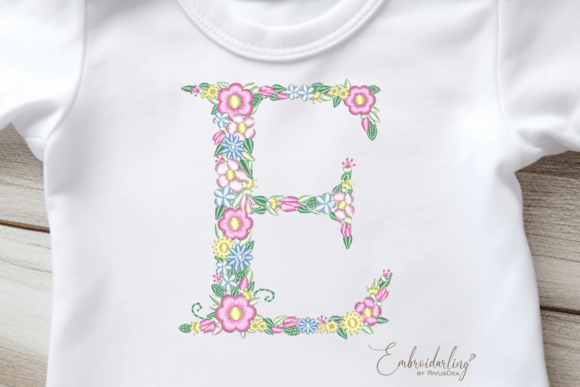
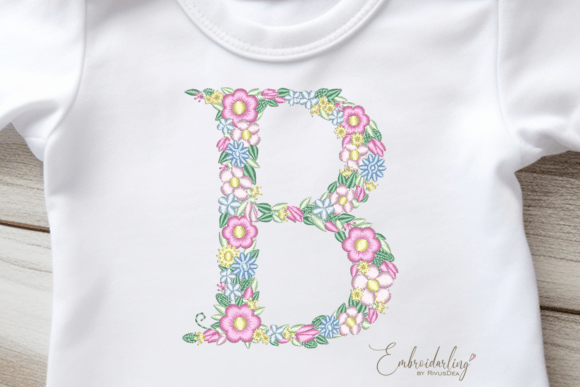
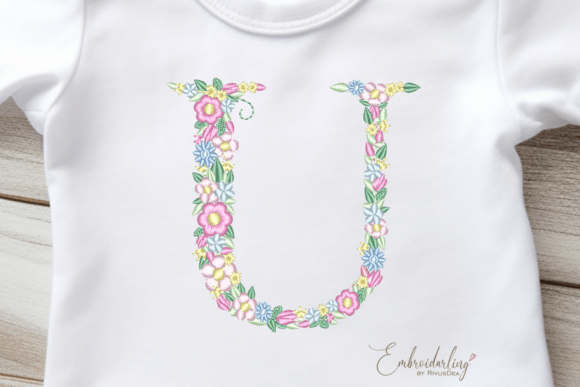
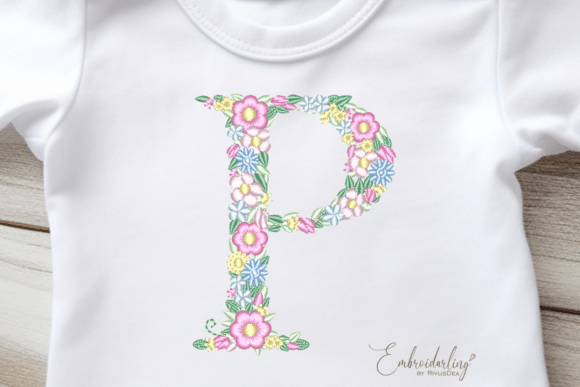
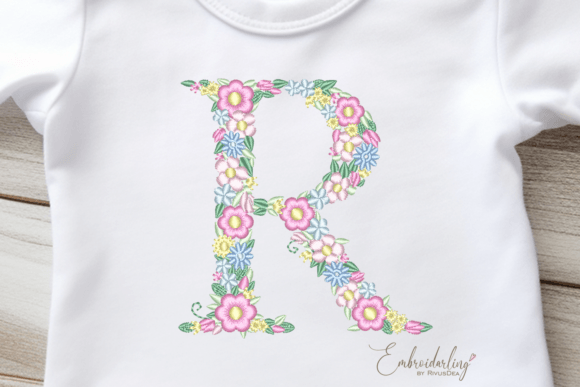
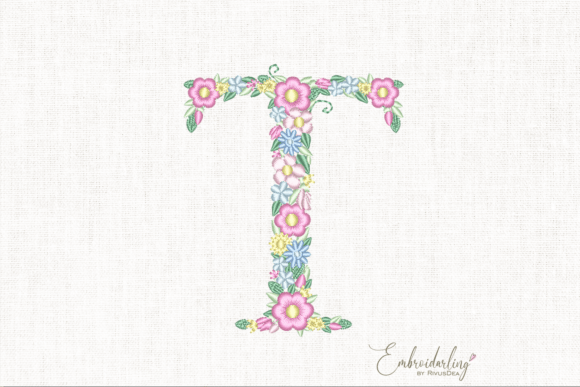
The first thing that strikes you about the Floral Letter T Machine Embroidery is its delicate balance between structure and organic flow. The letterform serves as a sturdy anchor, while the surrounding botanical elements soften the rigidity typically associated with monograms. This creates a mood that is both elegant and approachable, making it an ideal candidate for a Wedding Monogram or sophisticated home decor.
The layout feels intentional rather than cluttered. In many floral alphabets, the petals and leaves can overwhelm the character, rendering the letter illegible from a distance. Here, the negative space is respected. The visual personality suggests a boutique quality, perfect for customers seeking something more refined than standard block fonts. For an Etsy seller or craft business owner, this distinction is crucial. It signals higher value and attention to detail, which can justify a higher price point for your handmade product.
Real-World Application: The Custom Tote Test
To truly understand how this design performs, I simulated a common commercial scenario: creating a personalized gift set. I chose to stitch the Floral Letter T Machine Embroidery onto a heavy-weight canvas tote bag design. Canvas presents a unique challenge due to its weave texture, which can sometimes cause small details to sink in or distort.
The results were promising. The satin stitch work on the letter itself provided a smooth, glossy finish that contrasted beautifully with the matte fabric. The floral accents, utilizing a mix of fill stitch and running stitch, added depth without becoming too dense. When viewed from a typical carrying distance, the design remained clear and recognizable. This confirms its suitability for custom apparel and accessories where immediate visual impact is necessary. If you are planning to use this for sweatshirt embroidery, the same principles apply, though you must account for the fabric's stretch.
Versatility Across Product Lines
Beyond tote bags, this embroidery project shows promise in several other categories. For baby embroidery, such as on a muslin swaddle or a nursery pillow cover, the softness of the floral theme aligns well with the gentle aesthetic parents often prefer. However, caution is advised regarding scale. On smaller items like baby caps, ensure the hoop size allows for sufficient detail retention. If the design is scaled down too far, the intricate petals may merge, losing their definition.
For holiday embroidery gifts, such as kitchen towels or aprons, the design adds a personal touch that mass-produced items lack. It transforms a simple linen towel into a cherished keepsake. As a digital embroidery file provider or a maker of design assets, offering this in multiple sizes would significantly increase its utility for your customers.
Technical Considerations and Stitching Clarity
From a technical standpoint, the success of any applique design or standard embroidered letter relies heavily on stitch density and thread choice. In my testing, I found that the Floral Letter T Machine Embroidery requires careful attention to thread colors. High contrast between the thread and the fabric enhances readability, while low contrast creates a subtle, tonal effect suitable for minimalist branding.
I recommend testing the design on scrap fabric before committing to your final material. This allows you to check for puckering, especially if you are working with thin fabric or stretchy fabric. Using the correct stabilizer is non-negotiable here. A cut-away stabilizer is generally safer for garments that will undergo frequent washing, ensuring the embroidered patch or direct stitch remains flat and secure over time.
One area to watch is the connection points between the flowers and the letter. In some digitizations, these bridges can be weak. Inspect these areas closely during your test run. If you notice thread breaks or loose ends, you may need to adjust your machine tension or add a few tie-off stitches manually. This level of scrutiny is what separates a professional commercial embroidery output from an amateur attempt.
Where to Use Caution
While versatile, this design is not universal. Avoid using it on highly textured fabrics like thick wool or terry cloth unless you are using a topping film. The fabric texture can obscure the finer running stitch details of the petals. Similarly, be cautious with dark fabrics if your thread palette is limited. Without proper underlay stitching, the base fabric color might peek through the lighter threads, reducing the vibrancy of the floral elements.
Curved surfaces, such as the front panel of a baseball cap, present another challenge. The rigid nature of a monogram can distort on a curved hoop. If you plan to use this for headwear, consider resizing it to fit the available space comfortably, ensuring the edges do not pull toward the center of the curve.
Enhancing Brand Consistency and Customer Trust
For small shop product lines, consistency is key. The Floral Letter T Machine Embroidery offers a cohesive look that can help build brand recognition. When customers see this level of craftsmanship in your printable mockup images and receive a high-quality physical item, trust is established. This leads to repeat business and positive reviews.
Whether you are selling the digital embroidery file itself or the personalized gift created from it, the perceived value is high. The design feels bespoke, even when produced efficiently. For commercial embroidery projects, this efficiency combined with aesthetic appeal is a winning combination. It allows for quick production times without sacrificing the handmade feel that customers crave.
Final Designer Notes
Before launching this design into your product lineup, take these practical steps:
- Check Licensing: Confirm whether the license allows for commercial use of finished items or if it is for personal use only. This is critical for Etsy sellers and boutique owners.
- Verify File Formats: Ensure the embroidery file is compatible with your specific machine brand (e.g., PES, DST, JEF). Do not assume compatibility without checking.
- Test Scale: Stitch out the design at various sizes to determine the minimum viable dimension where details remain clear.
- Contrast Check: Create black and white mockups to ensure the design holds its shape without relying on color differentiation.
In conclusion, the Floral Letter T Machine Embroidery is a strong contender for designers looking to add a touch of elegance to their portfolio. It performs well on stable fabrics, offers versatile styling options, and carries the professional polish needed for successful craft business ventures. With proper testing and attention to detail, it can become a staple in your collection of design assets, helping you create memorable embroidery projects that resonate with customers.