Cute Shark Embroidery: A Designer’s Practical Review
As a designer who has spent countless hours digitizing and stitching out thousands of patterns, I have learned that not all machine embroidery design files are created equal. Some look fantastic on a screen but turn into a tangled mess of thread breaks and puckering on fabric. Others are workhorses—reliable, charming, and versatile enough to carry a small business through a busy holiday season. Today, I am taking a close look at the Cute Shark embroidery design to see if it holds up under real-world scrutiny.
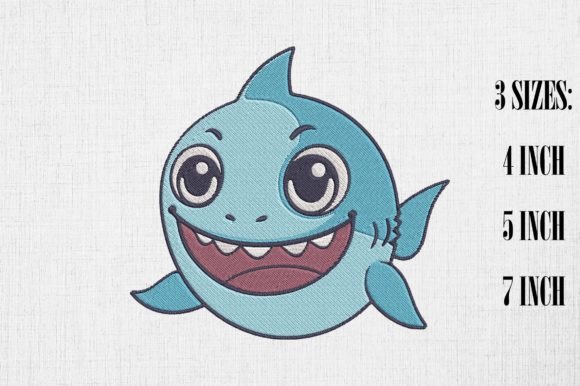
My first impression of this design is its approachable charm. In the world of Animals themed digitizing, sharks are often depicted as fierce or realistic. This version, however, leans heavily into the "kawaii" aesthetic. The rounded edges, simplified features, and playful expression create an immediate sense of warmth. For a professional embroiderer, this is crucial. We are not just selling stitches; we are selling a mood. This design screams "friendly," making it an ideal candidate for baby items, children’s apparel, and lighthearted home decor.
Real-World Application: The Tote Bag Test
To truly evaluate an embroidery file, you have to imagine it on a finished product. I recently worked on a custom order for a local boutique specializing in eco-friendly accessories. They needed a standout motif for a line of canvas tote bags. I pulled up the Cute Shark design to visualize its potential.
The layout of the shark is compact yet impactful. On a standard tote bag, a large, intricate design can sometimes look cluttered or feel too heavy for the fabric. This design strikes a nice balance. Its bold outlines ensure visibility from a distance, while the internal details provide enough interest for close-up inspection. I could easily see this working as a central focal point on a tote bag design, perhaps paired with simple sans-serif lettering for a personalized touch. The visual personality of the shark suggests fun and adventure, which aligns perfectly with the target demographic of young parents and beachgoers.
Versatility Across Product Lines
One of the strongest assets of the Cute Shark pattern is its adaptability. The product description notes that it works on clothes, baby’s onesies, home decor, t-shirts, tablecloths, and towels. From a technical standpoint, this versatility depends heavily on how the design handles different fabric textures and hoop constraints.
For baby embroidery, softness is key. If this design utilizes a high density of fill stitch work, it might feel stiff on a delicate onesie. However, if the digitizer has employed smart underlay and appropriate stitch density, it should lay flat and remain comfortable against sensitive skin. I would recommend testing this on a scrap piece of cotton interlock before committing to a final garment. If the design includes satin stitch borders, ensure they are not too wide, as wide satin columns can snag easily in a washing machine—a critical consideration for baby items that undergo frequent laundering.
In the realm of custom apparel, such as sweatshirts or hoodies, this design shines. The thicker fabric of a fleece sweatshirt provides a stable foundation for embroidery, allowing the colors to pop without the risk of puckering. A sweatshirt embroidery project featuring this shark on the left chest or as a larger back print would appeal to both kids and adults who appreciate whimsical marine life themes. It is also a strong contender for embroidered patch creation. Patches are a trending item for Etsy seller communities, and a cute, self-contained shape like this shark is easy to cut and apply, adding value to any handmade product.
Technical Considerations for the Stitcher
While the aesthetic appeal is high, practical execution requires attention to detail. Here are my professional notes for anyone planning to use this digital embroidery file in their craft business:
- Hoop Size and Placement: Always confirm the dimensions of the design against your available hoop size. If you are stitching on curved surfaces like caps, ensure the design fits within the cap frame without distortion. The rounded nature of the shark helps here, as it lacks sharp, elongated points that might warp on a curve.
- Stabilizer Selection: The choice of stabilizer can make or break the final look. For stretchy fabrics like t-shirts, a cut-away stabilizer is essential to prevent the design from pulling or distorting over time. For woven fabrics like tablecloths or towels, a tear-away may suffice, but test first to ensure no residue remains.
- Thread Color Contrast: This design likely relies on specific thread colors to define the shark’s features. When stitching on dark fabrics, consider using a lighter backing or adjusting the thread palette to maintain visibility. Conversely, on white towels, ensure the outline is distinct enough so the design doesn’t wash out visually.
- Density Check: Before running a full production batch, stitch out a sample on scrap fabric. Check for thread breaks in tight corners and assess the overall stiffness. If the stitch density is too high, you may need to adjust your machine tension or switch to a higher quality thread to reduce friction.
Commercial Viability and Brand Consistency
For small shop product creators and commercial embroidery professionals, consistency is vital. The Cute Shark design offers a clean, professional look that enhances brand credibility. When customers receive a personalized gift or a finished product with crisp, well-defined stitching, their trust in your brand increases. This design supports that goal by offering clear lines and a recognizable shape that translates well into printable mockup images for online listings.
However, caution is advised when using this design on textured fabrics like thick terry cloth towels. The loops in the towel can obscure fine details. If the shark has tiny elements, such as small eyes or intricate fins, they may get lost in the pile. In such cases, consider using an applique design technique if the file supports it, or opt for smoother fabrics like waffle weave for kitchen textiles. This ensures the embroidery project retains its clarity and visual appeal.
Final Verdict for Makers and Designers
The Cute Shark is a solid addition to any digitizer’s library, particularly for those focusing on children’s markets, casual apparel, and cheerful home goods. It avoids the pitfalls of overly complex shading that often fails in thread, opting instead for bold, graphic shapes that stitch out reliably. Whether you are creating holiday embroidery gifts for summer birthdays or stocking your Etsy store with unique marine-themed items, this design offers a blend of charm and practicality.
Remember, the success of any embroidery project lies in the preparation. Test your design assets, respect the limitations of your materials, and always prioritize the end-user’s experience. With proper technique, the Cute Shark can become a bestseller in your small business lineup, bringing joy to customers and consistent quality to your portfolio. Before you begin, double-check the licensing terms to ensure you are compliant for commercial sales, and verify the included file formats match your machine’s requirements. Happy stitching!