Review: Moroccan Geometric Embroidery Delight 9
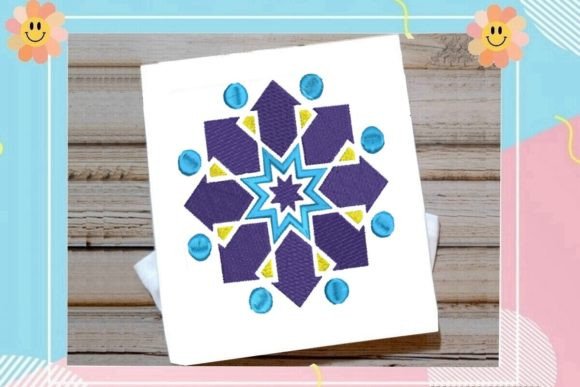
As an embroidery designer who spends countless hours digitizing and stitching, I am always on the lookout for designs that balance aesthetic beauty with technical reliability. When I first encountered Moroccan Geometric Embroidery Delight 9 on Creative Fabrica, it immediately caught my eye. The design draws inspiration from Zellige, the traditional Moroccan art form characterized by intricate geometric tile work. For those of us in the Intricate Cuts and Embroidery niche, finding a pattern that captures this level of cultural elegance without becoming a stitching nightmare is rare.
This review is written from the perspective of a professional preparing for real-world production. Whether you are an Etsy seller, a small business owner, or a hobbyist looking to elevate your handmade products, understanding how a machine embroidery design performs on actual fabric is crucial. I evaluated this file not just for its visual appeal, but for its viability in commercial projects like custom apparel, home decor, and personalized gifts.
First Impressions and Visual Mood
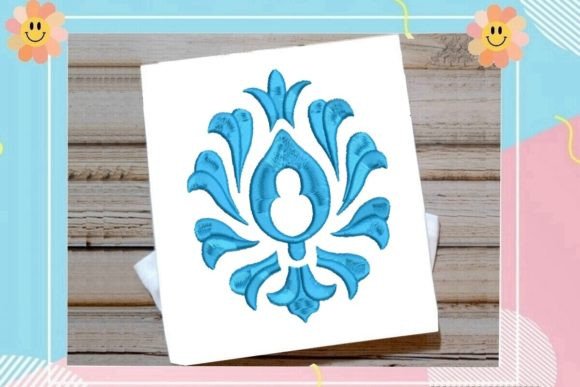
The immediate standout feature of Moroccan Geometric Embroidery Delight 9 is its symmetry. Zellige patterns are mathematically precise, and this digital embroidery file reflects that precision. The mood is sophisticated and timeless, leaning towards a bohemian-chic aesthetic that performs exceptionally well in current market trends. Unlike overly complex mandalas that can look messy when stitched out, this design maintains clean lines and distinct shapes.
The stitching personality appears to rely heavily on structured fill stitches and crisp running stitches to define the geometric borders. This combination suggests a flat, smooth finish rather than a highly textured 3D effect. For designers, this is a significant advantage. A flatter profile means the design is less likely to catch on clothing or feel bulky against the skin, making it ideal for wearables.
Real-World Application for Handmade Products
When considering where to apply this design, versatility is key. I envision Moroccan Geometric Embroidery Delight 9 working beautifully across several product categories. Here is how I would approach using this asset in a commercial setting:
- Tote Bag Design: The geometric nature of the pattern complements canvas materials perfectly. Stitched on a natural cotton tote, it creates a high-end boutique look that appeals to eco-conscious buyers.
- Sweatshirt Embroidery: Placed on the left chest or as a larger back piece, this design adds a touch of elegance to casual wear. The geometric lines contrast nicely with the soft texture of fleece or cotton blends.
- Kitchen Towels and Aprons: For home decor, this pattern fits the "modern farmhouse" or "global chic" styles. It serves as a focal point on plain linen or cotton towels, transforming a basic item into a decorative piece.
- Embroidered Patch: If you sell patches, this design’s self-contained geometric shape makes it an excellent candidate for iron-on or sew-on applications.
For Etsy sellers and creative entrepreneurs, the visual appeal of this design can significantly enhance product photography. The sharp lines create strong contrast in images, which helps in grabbing attention on crowded marketplaces. A well-stitched sample can become a cornerstone of your brand consistency, signaling quality and attention to detail to potential customers.
Technical Considerations and Stitching Performance
While the design is gorgeous, practical execution requires careful planning. As with any digital embroidery file featuring geometric intricacy, stitch density is a primary concern. High-density areas can cause puckering, especially on lighter fabrics. Before committing to a final product, I strongly advise testing the design on scrap fabric similar to your intended material.
Here are specific technical factors to consider:
- Fabric Choice: This design will perform best on stable, woven fabrics like cotton, linen, or denim. Avoid highly stretchy knits unless you use a cut-away stabilizer and hoop the fabric with extreme care to prevent distortion.
- Stabilizer Selection: Given the potential for dense fill stitches, a medium-weight cut-away stabilizer is recommended for garments that will be washed frequently. For home decor items like pillow covers, a tear-away might suffice if the fabric is heavy enough.
- Thread Colors: Zellige art is known for vibrant colors, but in embroidery, thread choice dictates readability. High-contrast thread colors against the fabric background will highlight the geometric shapes. Conversely, tonal stitching (thread color similar to fabric) creates a subtle, textured look suitable for understated luxury items.
- Hoop Size: Always confirm the hoop size compatibility listed on the Creative Fabrica product page. Ensure your machine’s hoop can accommodate the design dimensions without needing to re-hoop, which can lead to alignment issues.
If you are planning to use this on dark fabric, consider using a lighter thread color to ensure the pattern pops. However, be mindful that lighter threads may show dirt more easily on items like aprons or tote bags that see heavy use.
Enhancing Product Value and Buyer Trust
In the world of commercial embroidery, the finished product is your best marketing tool. A cleanly stitched Moroccan Geometric Embroidery Delight 9 signals professionalism. Buyers often associate intricate geometric patterns with higher value because they perceive them as difficult to produce. By delivering a crisp, pucker-free result, you build trust and encourage repeat business.
Furthermore, this design lends itself well to personalization. While the geometric pattern itself is static, it can be paired with monograms or names in a complementary font. This transforms a standard item into a personalized gift, allowing you to charge a premium. For example, adding a single initial in the center of the geometric star pattern on a baby blanket or nursery decor item can make it a cherished keepsake.
Practical Steps Before Commercial Use
Before listing any items made with this design on your online shop or at craft fairs, take these final steps to ensure quality and compliance:
- Check Licensing: Always review the license terms on the Creative Fabrica product page. Ensure that commercial use is permitted for the specific type of products you intend to sell.
- Inspect Small Details: After your test stitch-out, examine the tiny junctions where geometric lines meet. Look for thread breaks or nesting. Adjust tension if necessary.
- Compare Mockups: Create printable mockups or digital previews using the design on both light and dark backgrounds. This helps you decide which product lines to prioritize.
- Wash Testing: If creating apparel or kitchen items, wash and dry the test piece to check for shrinkage or thread bleeding. This step is vital for maintaining customer satisfaction.
In conclusion, Moroccan Geometric Embroidery Delight 9 is a compelling addition to any designer’s library. It offers a blend of cultural richness and modern geometric style that appeals to a wide audience. By paying attention to stabilizer choice, thread contrast, and fabric stability, you can leverage this design to create high-quality, commercially viable embroidered products. Whether you are decorating a simple tote bag or crafting a bespoke sweatshirt, this file provides the structural elegance needed to stand out in a competitive market.