Review: One Piece Swimsuit Applique Embroidery
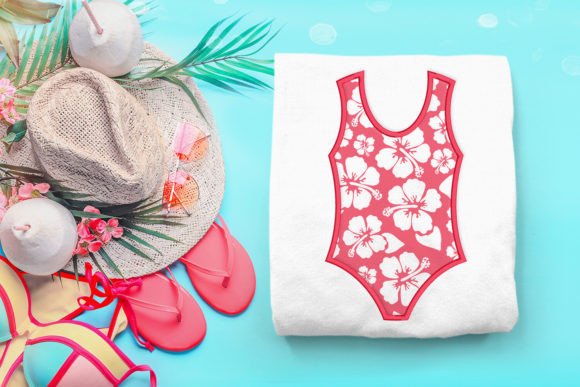
As an embroidery designer who has spent years digitizing and testing files for commercial use, I approach every new machine embroidery design with a critical eye. It is not just about whether the motif looks cute on a screen; it is about how it performs on fabric, how it holds up in the wash, and most importantly, how it serves the brand identity of the small business owner purchasing it. Today, I am reviewing the One Piece Swimsuit Applique Embroidery, a digital asset that promises summer vibes and versatility for beach-themed merchandise.
First Impressions and Visual Personality
The immediate appeal of the One Piece Swimsuit Applique Embroidery lies in its clean, graphic silhouette. In the world of commercial embroidery, simplicity often translates to professionalism. This design does not rely on excessive satin stitching or complex fills, which can sometimes look bulky or amateurish if not digitized perfectly. Instead, it leverages the power of applique, allowing the fabric itself to do the heavy lifting. The description notes that the pattern comes from the applique fabric used, which is a crucial detail for designers. This means the final aesthetic is highly customizable. You can achieve a playful, bold look with bright solids, or a more elegant, boutique feel by using textured linens or subtle prints.
For small business owners, this flexibility is invaluable. The design feels friendly and modern, making it suitable for a wide range of brands beyond just swimwear companies. It carries a decorative yet structured weight that suggests quality without being overpowering. Whether you are aiming for a rustic handmade vibe or a sleek, contemporary look, this embroidery file provides a solid foundation.
Real-World Business Applications
When evaluating a design for small business merch, I always ask: where can this realistically go? The One Piece Swimsuit Applique Embroidery shines in several key areas of product development.
- Embroidered Patches: This is perhaps the strongest use case. Because the design relies on shape rather than intricate internal detail, it translates beautifully to iron-on or sew-on patches. These can be sold as standalone accessories or used to upgrade plain garments.
- Tote Bag Design: Summer tote bags are a staple for boutiques and beach shops. Placing this applique on a canvas tote creates an instant seasonal product. The flat nature of applique works well on heavier fabrics like canvas, preventing the bag from becoming stiff or distorted.
- Custom Apparel and Aprons: For beachside cafes or resort wear brands, this design works excellently as a chest logo accent on staff uniforms or apron embroidery. It adds a thematic touch that reinforces the business's connection to leisure and summer without looking like a generic clip-art addition.
- Cap Embroidery: While possible, this requires careful scaling. On a structured cap front, the smooth lines of the swimsuit silhouette can look very sharp and professional, provided the size is adjusted correctly.
For Etsy sellers and crafters, this design also serves as a fantastic element for printable mockup creation. By showcasing the design on various fabric textures in your online listings, you can help customers visualize the finished product, thereby increasing buyer engagement and trust.
Technical Considerations for Production
While the design is versatile, there are technical constraints that every embroiderer must respect. Applique designs are generally forgiving, but they are not immune to production errors. Here are my practical notes for ensuring a high-quality output.
First, consider the stitch density of the tack-down and border stitches. If the density is too high, you risk perforating delicate fabrics. If it is too low, the edges of the applique fabric may fray after washing. Always test the design on a scrap piece of your intended material. Since the visual pattern comes from the fabric, ensure your thread colors contrast appropriately with the applique material. A matching thread color will create a seamless, premium look, while a contrasting thread can add a playful, hand-drawn effect.
Another critical factor is the hoop size. You must confirm that the design fits within your machine's maximum hoop area, especially if you plan to scale it up for larger items like tote bags. Additionally, the choice of stabilizer is paramount. For stretchy fabrics like jersey or swimwear materials, a cut-away stabilizer is often necessary to prevent puckering. For woven fabrics like cotton twill used in caps or aprons, a tear-away may suffice, but always test first.
Where to Use Caution
There are specific scenarios where this design might struggle. Avoid using it at extremely small sizes, such as on a small lapel pin or a tiny pocket logo, unless you are certain the details remain clear. Small patch sizes can cause the applique edges to bunch if the stitch count is not optimized for reduction. Furthermore, be cautious with highly textured fabrics. If the fabric texture is too rough, the clean lines of the swimsuit silhouette may get lost or appear jagged.
Also, consider the care instructions of the final item. Items that require frequent, harsh washing may cause the edges of the applique to lift if not secured properly. For custom apparel that will see heavy use, consider adding a secondary zig-zag or satin border to reinforce the edges.
Impact on Brand Identity and Value
Using a well-executed design like the One Piece Swimsuit Applique Embroidery can significantly enhance your brand identity. Consistency in visual assets builds customer trust. When a customer sees a clean, professionally embroidered logo or motif, they subconsciously associate that quality with your entire brand. It signals attention to detail and a commitment to craftsmanship.
For handmade brands, incorporating unique design assets like this helps differentiate your products from mass-produced alternatives. It adds a layer of perceived value, allowing you to command higher prices for your handmade product lines. Whether used as a subtle accent on a label or a bold statement on a beach bag, the design contributes to a cohesive visual story that resonates with customers seeking authenticity and style.
Final Designer Recommendations
Before you commit to a large production run, follow these steps to ensure success with the One Piece Swimsuit Applique Embroidery:
- Test in Black and White: Print or stitch the design in monochrome first to check for clarity and spacing issues without the distraction of color.
- Check Scalability: Verify that the design remains recognizable and structurally sound at your intended size, especially for small patches.
- Review Licensing: Confirm the commercial licensing terms of the digital embroidery file. Ensure you have the right to use it for physical goods you intend to sell.
- Create Mockups: Use digital tools to place the design on various products. This helps in marketing and allows you to spot potential placement issues before stitching.
- Fabric Testing: Always stitch a sample on the exact fabric you plan to use. Check for puckering, thread breaks, and fabric shifting.
In conclusion, the One Piece Swimsuit Applique Embroidery is a strong contender for any business operating in the summer, beach, or lifestyle sectors. Its reliance on fabric choice makes it a collaborative design between the digitizer and the maker, offering endless customization possibilities. By respecting the technical requirements of applique and aligning the design with your brand's aesthetic, you can create standout merchandise that drives sales and enhances customer loyalty. For more insights on selecting the right Embroidery files for your niche, continue exploring our resources on Beach themed design trends.