Reviewing Baby Footprint Embroidery for Real Projects
As a designer who has spent countless hours digitizing and stitching out files for clients, I have learned that not every cute concept translates well into thread. When I first pulled up the Baby Footprint Embroidery design on my screen, my initial reaction was one of cautious optimism. The silhouette is instantly recognizable, evoking that universal sense of new life and tenderness. However, seeing a graphic on a monitor is vastly different from watching a needle punch through fabric. I needed to know if this design held up under the mechanical realities of machine embroidery or if it would collapse into a messy puckered blob on a finished product.
First Impressions and Visual Personality
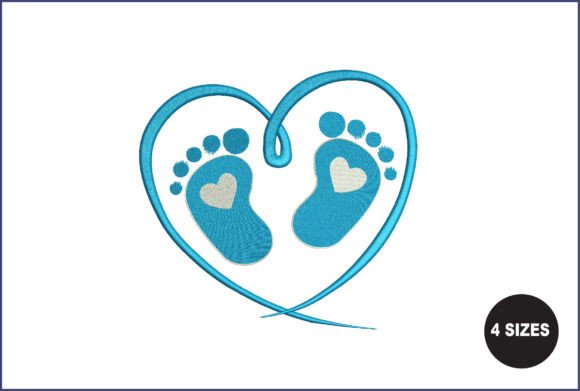
The mood of this design is soft, nostalgic, and undeniably charming. It fits squarely into the niche of sentimental keepsakes, which is a lucrative market for any Etsy seller or boutique owner. The layout appears clean, avoiding unnecessary clutter that often plagues lower-quality machine embroidery design files. For a project categorized under Boys, the neutral nature of a footprint is a significant advantage. It does not rely on stereotypical blue hues or aggressive motifs, making it versatile for gender-neutral nurseries or specific thematic collections.
What stands out immediately is the potential for customization. A standalone footprint is simple, but its simplicity is its strength. It acts as a perfect anchor for personalized text, such as a baby’s name, birth date, or weight. This versatility makes it an ideal candidate for a personalized gift that feels high-end rather than mass-produced. When evaluating the visual personality, I look for balance. Does the design feel top-heavy? Is the detail level appropriate for the intended size? In this case, the proportions seem well-considered for small to medium hoop applications.
Real-World Application: The Custom Tote Scenario
To truly test the viability of this embroidery file, I imagined a specific real-life scenario: creating a custom diaper bag or tote for a client’s baby shower gift. The client wanted something durable yet delicate in appearance. I visualized stitching the Baby Footprint Embroidery onto a heavy cotton canvas tote. Here, the interaction between the thread and the fabric texture becomes critical.
If the design relies heavily on satin stitch borders, it will provide a nice raised texture that catches the light, adding a premium feel to the handmade product. However, if the interior uses a dense fill stitch, I would need to be mindful of the fabric’s stability. Canvas can handle density, but a lighter muslin or jersey knit would require serious reinforcement. I also considered how this design would look on a sweatshirt embroidery project. The softness of a fleece hoodie pairs beautifully with the theme of infancy, but the nap of the fabric can swallow small details. This design needs clear, bold lines to remain legible on textured surfaces.
Performance on Challenging Surfaces
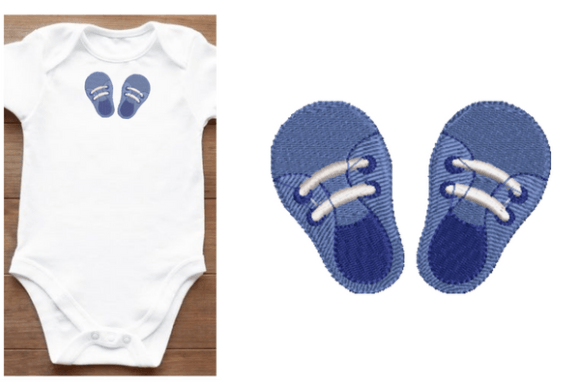
Not every surface is forgiving. When working with stretchy fabrics like those used in baby onesies or caps, the risk of distortion is high. A baby embroidery design must account for the pull of the thread. If the stitch density is too high, the fabric will pucker around the footprint, ruining the aesthetic. For curved surfaces like baseball caps, the design’s width becomes a limiting factor. It must fit within the constraints of a standard cap frame without wrapping around the edges where the needle cannot reach.
Dark fabrics present another challenge. If the thread colors are not chosen with high contrast in mind, the design will vanish. A white footprint on a navy blue onesie is classic, but it requires precise tension settings to prevent the background fabric from peeking through the stitches. I always recommend running a test on scrap fabric of the same weight and weave before committing to the final embroidery project. This step saves both time and expensive materials.
Technical Considerations for Designers
From a technical standpoint, there are several factors to review before loading this file into your machine. First, check the hoop size requirements. While footprints are generally small, ensure the design includes enough clearance for the hoop clamp, especially if you plan to add surrounding text or decorative elements. Second, inspect the stitch types. A mix of running stitch for detailing and satin stitch for outlines is usually ideal for clarity. Avoid designs that use excessive jump stitches, as these increase production time and require more trimming.
Stabilizer choice is non-negotiable. For a finished product that will withstand frequent washing, such as a bib or blanket, a cut-away stabilizer is often superior to tear-away. It provides long-term support and prevents the design from sagging over time. If you are creating an applique design variation, ensure the placement stitches are accurate. Misaligned applique pieces are a common complaint in customer reviews and can damage your reputation as a professional creator.
Commercial Viability and Brand Consistency
For those running a craft business, the commercial value of this design lies in its emotional resonance. Parents and grandparents are willing to pay a premium for items that capture a fleeting moment in time. Using Baby Footprint Embroidery in your small shop product lineup can enhance brand consistency if your aesthetic leans toward minimalist, heartfelt, or traditional styles. It works well for holiday embroidery gifts, such as Christmas ornaments or Easter baskets, adding a personal touch that generic store-bought items lack.
However, transparency is key. Always verify the licensing terms of the digital embroidery file. Some designers allow unlimited commercial use, while others restrict the number of physical items you can sell. Confirming this before you list items on your online store protects you from legal issues. Additionally, when creating printable mockup images for your listings, ensure the digital representation matches the actual stitched result. Over-editing photos can lead to customer disappointment if the real-life texture and sheen do not match the expectation.
Final Verdict and Practical Advice
In conclusion, Baby Footprint Embroidery is a strong contender for any designer’s library, provided it is used with technical awareness. Its strength lies in its simplicity and emotional impact. It is not a design that shouts for attention; rather, it whispers sentimentality, which is often more powerful in the world of handmade goods. Whether you are decorating custom apparel, creating an embroidered patch for a memory book, or designing a tote bag design for a new mom, this motif offers flexibility.
My advice is to start small. Stitch it out on a variety of fabrics to understand how the thread colors interact with different backgrounds. Pay attention to the stitch density and adjust your tension if necessary. Treat each piece as a unique design asset that contributes to the overall quality of your portfolio. By respecting the technical limitations and leveraging the emotional appeal, you can transform a simple digital file into a cherished heirloom. For the Embroidery enthusiast looking to expand their Boys collection or general baby line, this design is a practical, reliable, and aesthetically pleasing choice.