Reviewing Baby Shoes Embroidery Designs for Craft Fairs
As an embroidery designer who has spent countless weekends behind a booth table, I know that the difference between a browsing customer and a buying customer often comes down to visual impact. When I first pulled up the Baby Shoes Embroidery Designs on my screen, my immediate thought was about versatility. The description promises a design that can be beautifully embroidered on any fabric, which is a bold claim, but one that intrigues any serious maker. For those of us running small shops or selling on Etsy, finding a machine embroidery design that transitions seamlessly from home decor to apparel is like striking gold.
First Impressions and Aesthetic Appeal
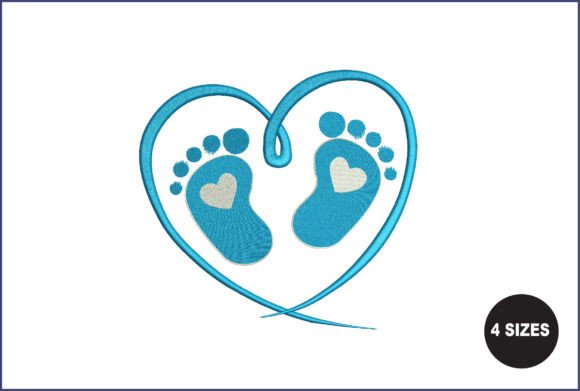
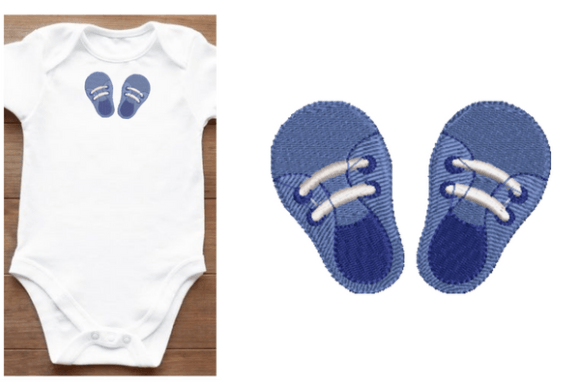
The initial vibe of this design leans heavily into the "cute" and "soft" categories, which is perfect for the Boys product category mentioned in the specs. However, do not let the subject matter fool you into thinking it is limited to nursery items. In my experience, baby-themed motifs are currently trending across various demographics, especially when executed with modern thread palettes. This design feels decorative yet minimal enough to not overwhelm a small surface area. It strikes a balance between a premium handmade look and a playful aesthetic, making it a strong contender for a wide range of handmade products.
When evaluating a new embroidery file, I always ask myself: Does it pop? For craft fair sellers, visibility is key. Customers walking past your booth have seconds to decide if they stop. This design, with its potential for colorful execution, offers that necessary glance-ability. It does not rely on intricate, tiny details that get lost from three feet away, which is a common pitfall in digital embroidery assets.
Product Versatility for Market Sellers
The true test of any design is its adaptability. The product description suggests using it on pillows, towels, bags, apparel, and home decor. Let us break down how this performs in a real-world scenario.
- Tote Bags and Market Bags: This is arguably the strongest application. A tote bag design needs to be bold and centered. Placing these baby shoes on a canvas tote creates an instant gift item for baby showers or new parents. The flat surface of a tote allows the stitch work to lay perfectly, ensuring the design remains clear and crisp.
- Tea Towels and Kitchen Linens: Tea towel embroidery requires a delicate touch. Since towels have a textured weave, you must consider how the stitches interact with the fabric texture. This design appears robust enough to hold its shape on waffle weave or linen, adding a charming touch to kitchen gifts.
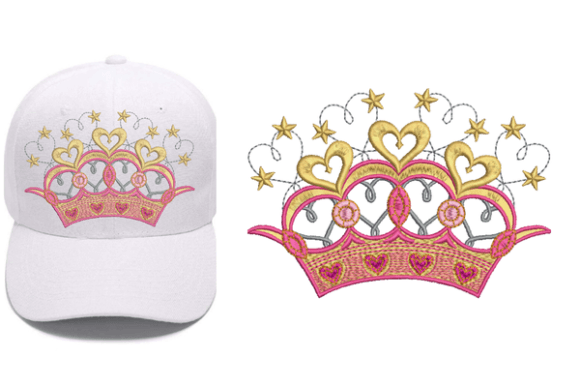
- Apparel and Caps: Embroidering on curved surfaces like caps is tricky. If you plan to use this as a cap embroidery element, ensure you are using the correct stabilizer to prevent puckering. For baby onesies or toddler t-shirts, the design acts as a lovely focal point without being too heavy or stiff against sensitive skin.
- Embroidered Patches: Creating iron-on or sew-on patches is a huge trend for Etsy sellers. This motif would scale down beautifully for a patch, allowing customers to add a custom touch to denim jackets or diaper bags.
Production Practicality and Batch Selling
For those of us producing inventory for weekend markets, time is money. A design that is too complex can bottleneck your production line. One of the selling points here is the implied simplicity. It looks like a design that is repeatable for batch production. You can hoop multiple items, run the machine, and move on. However, you must verify the stitch density. If the design is too dense, it will take longer to stitch and may cause fabric distortion. If it is too light, it might look cheap in person.
I recommend creating at least one printable mockup before you commit to bulk production. Use your design assets to visualize how the thread colors will look against different background fabrics. Contrast is crucial. A pastel design on a white towel might vanish, whereas the same design on a navy or charcoal fabric could look stunningly premium. This visual appeal directly affects buyer engagement and perceived product value.
Careful-Use Notes for Designers
While the description states this works on any fabric, experienced embroiderers know there are limitations. Here are some critical considerations:
- Fabric Texture: Avoid using this on highly textured fabrics like thick terry cloth unless you use a topping stabilizer. The tiny details of the shoe laces or soles might get lost in the pile.
- Dark Fabric: If stitching on dark materials, ensure your digitizing includes underlay stitches that provide a solid base, or choose thread colors that stand out sharply. Muddy colors on dark backgrounds kill sales.
- Small Lettering: If this design includes any text (which is not explicitly detailed in the short description), be wary of small lettering. It often merges together after washing. Keep it large and legible.
- Hoop Size: Confirm the required hoop size before starting. You do not want to start a project only to realize you need a larger hoop than your machine accommodates.
Boosting Your Brand and Booth Display
Consistency is key to building a recognizable brand. If your shop specializes in baby items or soft home goods, Baby Shoes Embroidery Designs fits seamlessly into that narrative. It reinforces your niche. When displayed in a booth, group these items together. A stack of embroidered tea towels next to a tote bag with the same motif creates a cohesive visual story. This strengthens your booth display and encourages customers to buy multiple items as a set.
Furthermore, high-quality photos of these finished products can serve as powerful marketing tools online. A well-lit photo of an embroidered pillow cover or a cute baby outfit can drive traffic to your digital listings. Remember, you are not just selling a stitch-out; you are selling the feeling of warmth, care, and handmade quality.
Final Designer Recommendations
Before you list this as a commercial embroidery product or sell finished goods, take these final steps:
- Test on Scrap Fabric: Always run a test stitch-out on the exact fabric you plan to sell. Check for registration issues and thread breaks.
- Check Licensing: The description mentions adding the design to various products, but always confirm the commercial licensing terms of the digital embroidery file. Ensure you have the right to sell finished products made with this design.
- Review Spacing: Ensure there is adequate spacing between elements if the design is multi-part. This prevents thread jumps from being visible and messy.
- Stabilizer Selection: Match your stabilizer to your fabric. Cut-away for stretchy knits, tear-away for stable woven cottons.
In conclusion, Baby Shoes Embroidery Designs offers a promising opportunity for crafters looking to expand their small shop product lines. It is versatile, visually appealing, and suited for a variety of popular market items. By paying attention to fabric choice, thread contrast, and production efficiency, you can turn this simple design into a bestseller at your next craft fair or online drop. Happy stitching!