Faux Embroidery Cowboy Boot Toe Stitch Review
As an embroidery designer who has spent years digitizing patterns and testing them on everything from delicate muslin to heavy denim, I approach every new digital embroidery file with a mix of excitement and skepticism. We all know that what looks perfect on a screen does not always translate beautifully to fabric. Recently, I had the chance to review the Faux Embroidery Cowboy Boot Toe Stitch, a set of graphics intended for personalized gift products. While this is technically categorized under Illustrations and Graphics rather than a traditional machine embroidery design file, its application in the world of custom crafts is fascinating. I tested these assets to see how they would perform in a real-world scenario for my personalized gift shop, specifically looking at their potential for baby items, wedding keepsakes, and home decor.
First Impressions: Charm and Visual Texture
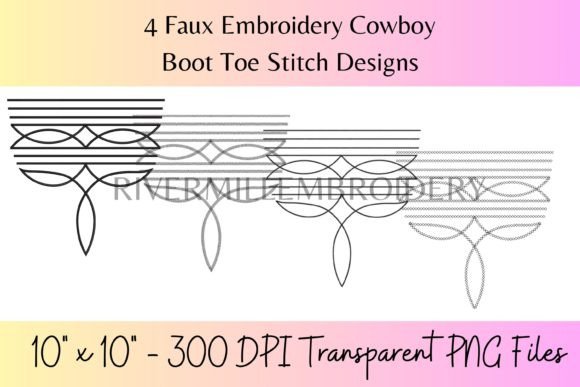
The moment I opened the files, I was struck by the mood they conveyed. The Faux Embroidery Cowboy Boot Toe Stitch captures that rustic, handmade aesthetic that is currently dominating the handmade market. There is a warmth to the visual texture that feels both playful and classic. Since the product includes four different stitch types, each approximately 10 x 10 inches, you have variety in how the "stitching" appears. This is crucial for avoiding a repetitive look if you are creating a collection of products.
The emotional appeal here is strong. It feels sweet yet rugged, making it versatile. For a personalized gift, this vibe is gold. It doesn’t scream "mass-produced." Instead, it whispers "crafted with care," even though we are using digital assets. For Etsy sellers and small shop owners, this perceived value is everything. Customers are drawn to items that feel authentic, and these graphics mimic the irregularity and charm of actual thread work surprisingly well.
Real-World Application: From Nursery to Kitchen
I imagined a specific customer scenario to test the versatility of these graphics. A client wanted a cohesive set of gifts for a friend’s baby shower and housewarming. They wanted a theme that was western-inspired but soft enough for a nursery. Here is how I envisioned using the Faux Embroidery Cowboy Boot Toe Stitch:
- Baby Embroidery: For a baby blanket or a onesie, the faux stitch look adds a layer of visual interest without the bulk of real thread. Real embroidery on stretchy baby clothes can sometimes be uncomfortable or cause puckering. Using these transparent PNGs as part of a printed design or heat transfer allows for that embroidered look without the physical constraints.
- Kitchen and Home Decor: I tested the concept on an apron and a kitchen towel. An embroidered towel is a staple in many gift shops. By placing the faux stitch graphic near the hem or pocket area, you create a focal point. It pairs beautifully with monograms, allowing the customer to add a name in a complementary font.
- Wedding Gifts: For a rustic wedding, these graphics could be used on tote bags for bridesmaids or on pillow covers for the couple’s new home. The different stitch types allow you to mix and match elements, creating a custom embroidery feel that is unique to each item.
The key here is the transparency of the PNG files. This allows you to layer the faux stitch over any fabric color or pattern in your mockups. For a small shop product, this flexibility means you can offer endless customization options without needing to digitize a new file for every variation.
Design Considerations and Fabric Compatibility
While the Faux Embroidery Cowboy Boot Toe Stitch is visually appealing, there are areas where you must use caution. Because these are graphics and not actual needle-and-thread creations, they rely entirely on print quality or heat transfer adherence.
When working with textured fabric, such as waffle-weave towels or heavy linen, the fine details of the faux stitch might get lost. I recommend avoiding placing these graphics on highly textured surfaces unless you are using a high-resolution direct-to-garment print method. Similarly, on dark fabric, you must ensure your base layer is opaque enough so the "thread" colors pop. If the white or light-colored faux stitches appear gray or translucent, the illusion of embroidery breaks immediately.
Another consideration is curved surfaces. On a rounded pillow cover or a fitted hat, the graphic needs to be positioned carefully. Unlike real thread, which stretches slightly with the fabric, a printed graphic will distort if the fabric is stretched too much during wear or washing. For items that need frequent washing, such as baby bibs or kitchen aprons, ensure your printing method is durable. The charm of the Faux Embroidery Cowboy Boot Toe Stitch relies on the crispness of the lines; fading or cracking will diminish the perceived quality.
Boosting Perceived Value and Customer Trust
One of the biggest challenges for online sellers is conveying quality through a screen. These graphics can significantly enhance your product photography. When you create a printable mockup or a digital preview for a custom order, the addition of the faux stitch detail makes the item look more substantial. It suggests a higher level of effort and artistry.
This affects buyer engagement positively. Customers often hesitate to buy plain printed items because they fear they will look cheap. The Faux Embroidery Cowboy Boot Toe Stitch bridges that gap. It offers the aesthetic of a handmade product at a price point and production speed that is scalable for a business. For commercial embroidery businesses looking to expand into printed goods, this is a smart pivot. It allows you to offer "embroidered-style" items without the machine time, thread costs, or hoop size limitations.
Practical Notes for Makers and Sellers
Before you list these designs in your shop, there are several practical steps you should take to ensure professional results:
- Test on Scrap Fabric: Never assume the graphic will look good on your first try. Print or press the design on the exact fabric you plan to sell. Check how the ink sits on the weave.
- Check Thread Color Contrast: Even though this is a graphic, the illusion works best when the "thread" color contrasts appropriately with the fabric. A white faux stitch on a cream towel might vanish. Adjust your mockups to show realistic contrast.
- Review Detail Level: Zoom in on the 10 x 10 inch files. Are the edges clean? Do the faux knots and loops look realistic? If the resolution is low, the effect will fail on larger items like blankets.
- Confirm Licensing: The product description states these are graphics for personalized gift products. However, always double-check the specific license terms. Can you use them for commercial embroidery related marketing? Can you sell the finished physical products? Clarify this before investing in inventory.
- Compare Light and Dark Mockups: Create examples of the design on both light and dark backgrounds. This helps customers visualize the product better and reduces return rates due to "item not looking like the picture."
In conclusion, the Faux Embroidery Cowboy Boot Toe Stitch is a clever resource for modern makers. It blends the nostalgia of traditional craft with the efficiency of digital design. For baby product creators, wedding gift designers, and Etsy sellers, it offers a way to add texture and emotion to products without the technical hurdles of machine stitching. By understanding its limitations regarding fabric texture and washability, you can leverage these graphics to create high-value, emotionally resonant gifts that customers will love.