FSL Heart Machine Embroidery: A Designer’s Review
As an embroidery designer who has spent years digitizing and testing files for commercial clients, I approach every new machine embroidery design with a critical eye. It is not just about whether the design looks pretty on a screen; it is about how it performs under the needle, how it holds up after washing, and most importantly, how it elevates a brand. Today, I am reviewing the FSL Heart Machine Embroidery, a digital asset that promises versatility for small business owners, apparel decorators, and handmade brands. This review focuses on its practical application in creating branded merchandise, from patches to uniform accents.
First Impressions: Visual Personality and Style
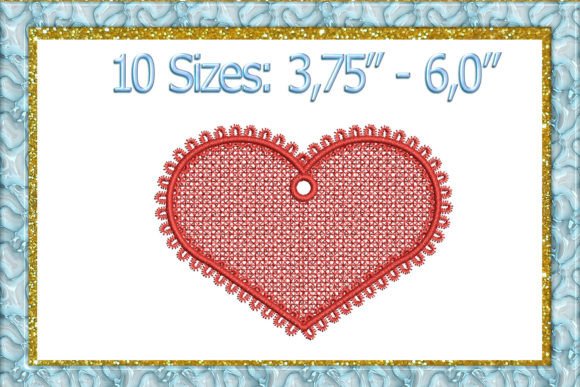
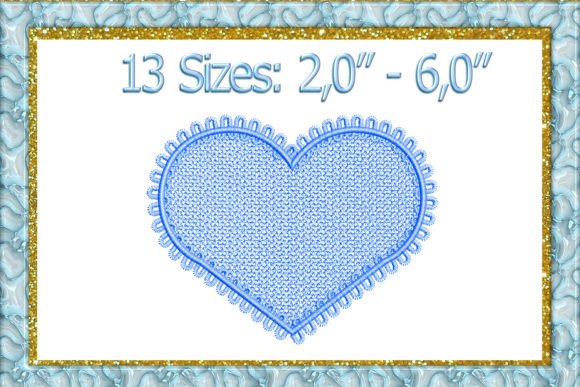
The first thing that strikes me about the FSL Heart Machine Embroidery is its inherent duality. Free-standing lace (FSL) designs often walk a fine line between delicate and durable. Based on the product description, this heart design falls into the Shapes category, suggesting a clean, recognizable silhouette. Visually, it feels both elegant and playful. It does not scream "corporate rigidness," nor does it feel overly rustic. Instead, it offers a modern, decorative touch that can soften the look of professional uniforms or add a premium feel to handmade goods.
For a boutique owner or a creative studio, this visual personality is crucial. A heart symbol is universal, but the execution matters. If the lace work is too dense, it becomes stiff and plasticky. If it is too open, it lacks structure. The promise of this embroidery file is that it balances these elements, providing a finished product that feels high-end rather than mass-produced. For businesses in the bakery, florist, or pet brand sectors, this aesthetic aligns perfectly with a brand identity that values warmth, care, and attention to detail.
Real-World Business Applications
Let us move beyond theory and discuss where this design actually shines in a commercial setting. The versatility of FSL allows it to be used in ways that traditional satin-stitch logos cannot. Here is how I envision the FSL Heart Machine Embroidery performing in real business scenarios:
- Branded Patches: This is perhaps the strongest use case. An embroidered patch made from this design can be sewn onto tote bags, denim jackets, or canvas aprons. Because it is free-standing, it has a unique texture that stands out against flat fabric, adding tactile value to the item.
- Staff Uniforms and Aprons: For cafés and boutiques, apron embroidery is a subtle yet powerful branding tool. Placing a small lace heart on the chest pocket or strap adds a touch of whimsy without overwhelming the uniform. It signals to customers that the staff cares about presentation.
- Cap Embroidery: While challenging, FSL can work on caps if stabilized correctly. A small heart on the side panel of a baseball cap serves as a discreet brand mark, ideal for lifestyle brands that prefer understated custom apparel.
- Tote Bag Design: Canvas totes are staples for retail shops. Using this design as a central motif or a corner accent transforms a generic bag into a desirable accessory. It enhances the perceived value of the small business merch.
- Product Packaging Accents: Imagine attaching a small lace heart to a gift box or a garment tag. It acts as a physical seal of quality, reinforcing the handmade nature of the product.
Technical Considerations and Potential Pitfalls
While the design potential is high, there are areas where caution is required. As a designer, I always advise clients to test thoroughly before committing to a large production run. Here are the specific challenges associated with this type of digital embroidery file:
Stitch Density and Fabric Texture: Free-standing lace relies on the interplay of threads without a backing fabric. If the stitch density is too high, the heart may become rigid and prone to cracking when bent. Conversely, if it is too loose, it may snag easily. When applying this to textured fabrics like heavy canvas or rough linen, ensure the contrast between the smooth lace and the rough fabric texture is intentional and visually appealing.
Small Patch Sizes: Scaling down FSL designs can be tricky. Fine details may merge or disappear if the heart is made too small. For tiny applications, such as a label on a jewelry pouch, verify that the outlines remain distinct. I recommend creating a printable mockup at actual size to check legibility before stitching.
Dark Uniforms and Thread Colors: Lace designs often rely on light reflection to show off their intricacy. On dark uniforms, a white or pastel thread might get lost or look starkly contrasting in an unintended way. Carefully review thread colors against your brand palette. Sometimes, a metallic thread can bridge the gap, adding visibility and luxury to dark backgrounds.
Washability: Items like aprons and work shirts undergo frequent washing. FSL is generally durable, but the edges can fray if not sealed properly during the digitizing process. Ensure the design includes sufficient edge stitching to withstand industrial laundering.
Impact on Brand Identity and Customer Trust
Why does this matter for your bottom line? Because consistency builds trust. Using a cohesive set of design assets, including a signature motif like the FSL Heart Machine Embroidery, strengthens your brand identity. When customers see this heart on your website, your packaging, and your staff uniforms, it creates a visual anchor. It signals professionalism and attention to detail.
Furthermore, handmade touches increase perceived value. In an era of automated drop-shipping, a tangible, stitched element suggests effort and care. This emotional connection can drive buyer engagement and loyalty. Whether you are an Etsy seller or a local brick-and-mortar shop, this small detail can differentiate your finished product from competitors.
Practical Designer Notes for Production
Before you load this file into your machine, follow these steps to ensure success:
- Test in Black and White: Stitch a sample in monochrome first. This reveals the structural integrity of the design without the distraction of color. If it looks good in black and white, it will look great in color.
- Check Hoop Size Compatibility: The product description mentions that 9 formats are included, such as PES and BRO. However, it does not specify the exact hoop size requirements for each variant. Check the included documentation to ensure the design fits your machine’s hoop capacity.
- Use Proper Stabilizer: Even though it is free-standing, FSL requires a water-soluble stabilizer. Use a high-quality, heavy-weight stabilizer to prevent sagging during stitching.
- Confirm Commercial Licensing: Always verify the license terms. The description implies commercial use for merchandise, but you must confirm this before selling items featuring the design. Protect your business from legal issues by keeping records of your purchase.
- Create Client Mockups: If you are producing this for a client, create a digital composite showing the heart on their specific garment. This manages expectations and ensures the scale is correct relative to other brand identity elements.
Final Verdict
The FSL Heart Machine Embroidery is a strong contender for small business owners looking to add a touch of elegance and personality to their merchandise. It bridges the gap between decorative art and functional branding. While it requires careful handling regarding stitch density and fabric choice, the payoff is a unique, tactile asset that enhances commercial embroidery projects. By integrating this design into your custom apparel and accessories, you invest in a visual language that speaks of quality and care. Just remember to test, stabilize, and verify your formats before full-scale production.